このページ:受信者がコミュニケーションの登録解除やパーソナライゼーションのオプトアウトを行う方法を管理します。これにより、受信者の同意選択を尊重し、法的義務およびブランドの評判に関する義務を満たすことができます。
ブランドからの連絡を登録解除する機能を受信者に提供することは、法的要件であり、この選択を確実に行うためにも必要です。 これらの規制に準拠できないと、ブランドに法規制上のリスクが生じます。 この機能を使用すると、未承諾の通信を受信者に送信して、メッセージがスパムと見なされたり、ブランドの評判が損なわれたりする危険性を避けることができます。
該当する法律について詳しくは、Experience Platformドキュメントを参照してください。
ジャーニーとキャンペーンでの購読解除の管理 opt-out-ajo
ジャーニーやキャンペーンからメッセージを送信する場合は、顧客が今後の通信を登録解除できるようにする必要があります。 購読を解除すると、プロファイルは、今後のマーケティングメッセージのオーディエンスから自動的に削除されます。
Journey Optimizerは、電子メールやモバイルメッセージでのオプトアウトを管理する方法を提供していますが、受信者は自分のデバイスから購読を解除できるため、プッシュ通知では自分の側での操作は必要ありません。 例えば、アプリのダウンロード時や使用時に、通知の停止を選択できます。 同様に、モバイルオペレーティングシステムから通知設定を変更することもできます。
プッシュオプトアウトステータスの確認 push-opt-out-status
モバイルアプリのプッシュオプトアウトは、デバイスレベルで処理されます。ユーザーがデバイスで通知を無効にすると、プッシュトークンがプロファイルから削除されます。 したがって、プロファイルに プッシュトークンが存在する ことは、暗黙的なプッシュ通知への同意の指標となります。
Adobe Experience Platform でプロファイルのプッシュ同意ステータスを確認するには:
- Adobe Experience Platform の「プロファイル」セクションでプロファイルを開きます。
- 「属性」タブに移動し、プッシュ通知の詳細フィールドグループを探します。
- プッシュトークンが存在する場合、プロファイルはプッシュ通知の受信に暗黙的に同意しています。 トークンが見つからない場合、ユーザーはデバイスレベルでオプトアウトしています。
consents.marketing.push.val 属性を使用してください。 値がy の場合は明示的なオプトイン、n の場合は明示的なオプトアウトを示します。Journey Optimizerの電子メールおよびモバイルメッセージのオプトアウトを管理する方法については、次の節を参照してください。


パーソナライゼーションの同意の実装 opt-out-personalization
顧客は、パーソナライズされたコンテンツの表示をオプトアウトすることもできます。 あるプロファイルがパーソナライゼーションからオプトアウトされたら、そのデータがパーソナライゼーションに使用されていないことを確認し、パーソナライズされたコンテンツをフォールバックバリアントに置き換える必要があります。
意思決定管理において opt-out-decision-management
オファーを活用する場合、パーソナライゼーション環境設定は、Decisioning API リクエストまたは Edge Decisioning API リクエストから使用される決定範囲に自動的に実装されません。 この場合、パーソナライゼーションの同意を手動で実施する必要があります。 これを行うには、以下の手順に従います。
-
セグメント化サービスを使用して Adobe Experience Platform オーディエンスを作成し、コンテンツをパーソナライズ = はい(オプトイン)などのプロファイル属性を使用して、パーソナライゼーションに同意したユーザーをターゲットにします。
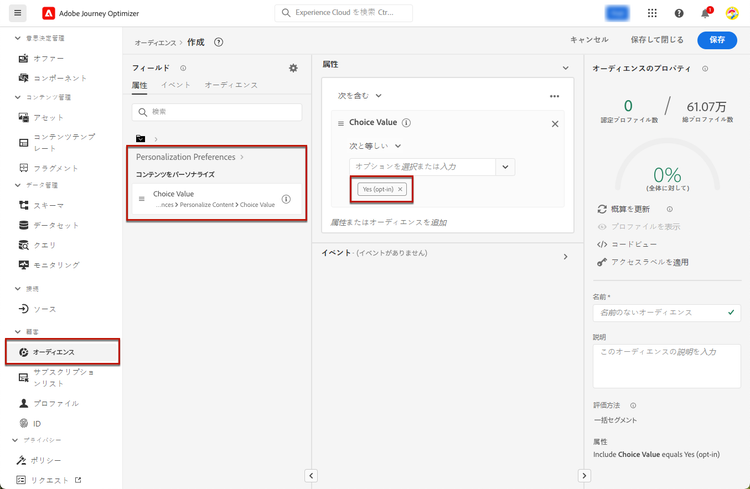
-
決定を作成する際は、パーソナライズされたオファーを含む評価条件コレクションごとに、決定範囲を追加し、このオーディエンスに基づいて実施要件の制約を定義します。
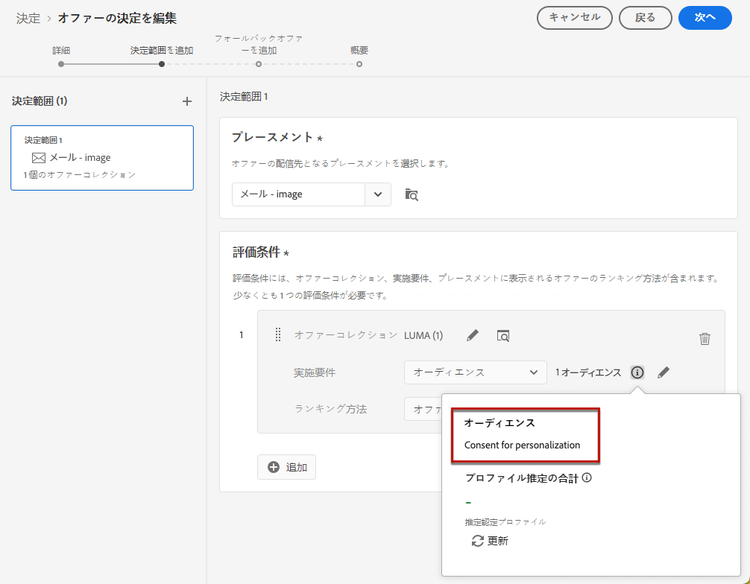
-
パーソナライズされたコンテンツを含まないフォールバックオファーを作成します。
-
パーソナライズされていないフォールバックオファーを決定に割り当てます。
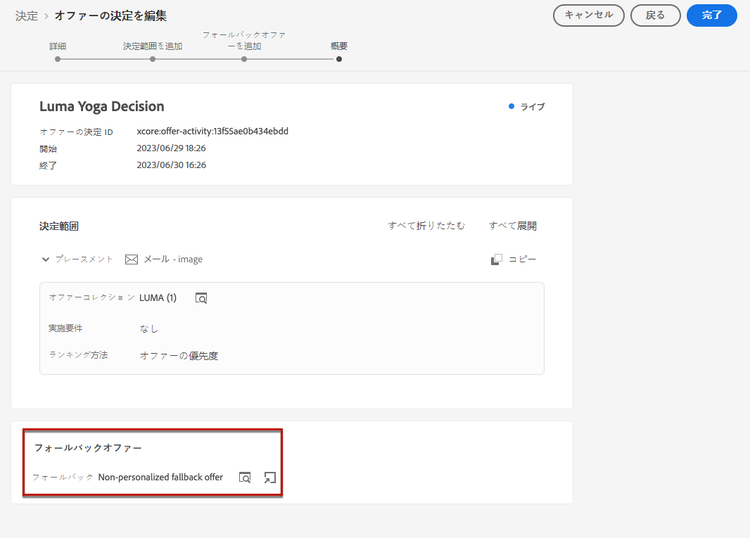
-
決定のレビューと保存を行います。
ユーザーが以下の条件を満たしている場合:
-
パーソナライゼーションに同意した場合、決定範囲によってそのプロファイルに最適なオファーが決定されます。
-
パーソナライゼーションに同意していない場合、対応するプロファイルは評価条件に含まれるオファーの対象外となるので、パーソナライズされていないフォールバックオファーを受信します。
パーソナライゼーションエディターの場合 opt-out-expression-editor
パーソナライゼーションエディター自体は、メッセージの配信に関係しないので、同意の確認や実施は行いません。
ただし、権利ベースのアクセス制御ラベルを使用すると、パーソナライゼーションに使用できるフィールドを制限できます。 メッセージプレビューとメールのレンダリングサービスは、機密情報で識別されるフィールドをマスクします。
Journey Optimizer キャンペーンでは、同意ポリシーは次のように適用されます。
-
オーディエンス作成の一環として同意ポリシー定義を含めることができ、キャンペーン用に選択されたオーディエンスが 同意条件に一致しないプロファイルを既に除外 していることを確認できます。
-
Journey Optimizer はチャネルレベルで一般的な同意チェックを実行して、対応するチャネルでアドビからのお知らせを受信するように プロファイルがオプトインしていることを確認 します。
note NOTE 現時点では、Journey Optimizer キャンペーンオブジェクト自体は追加の同意ポリシー強制チェックを実行しません。
キャンペーンでパーソナライゼーションの同意を手動で適用するには、次の選択肢のいずれかに従います。
セグメントルールビルダーの使用
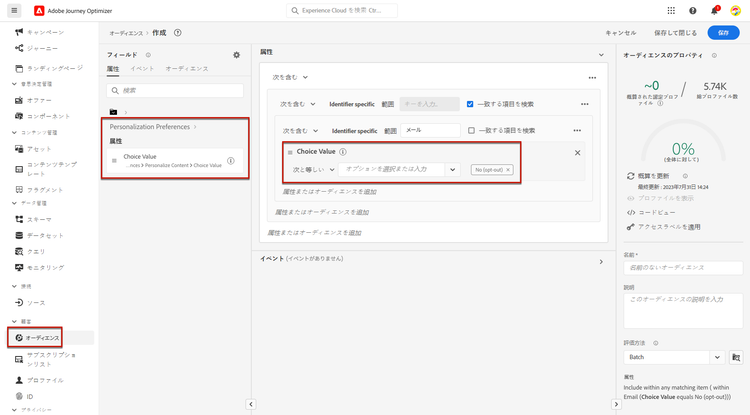
セグメントルールビルダーを使用して、オプトアウトプロファイルを含むオーディエンスを作成できます。
-
セグメント化サービスを使用して、Adobe Experience Platform オーディエンスを作成します。
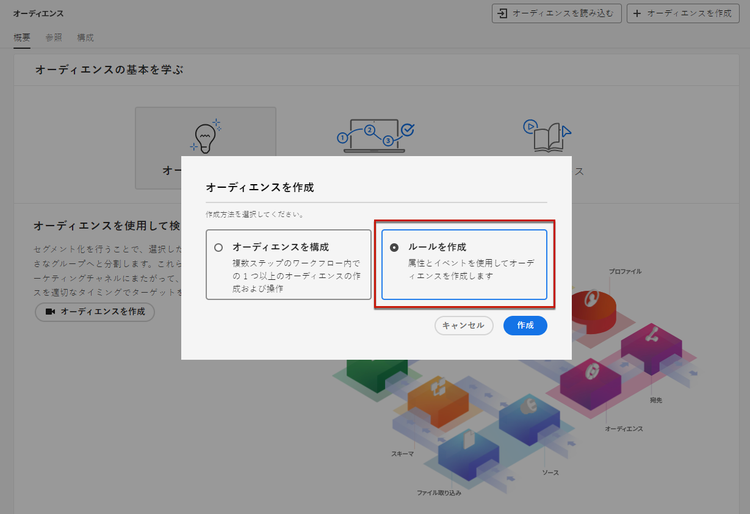
-
パーソナライゼーションに同意していないユーザーを除外するには、コンテンツをパーソナライズ = いいえ(オプトアウト)などのプロファイル属性を選択します。
-
「保存」をクリックします。
これで、このオーディエンスを使用して、パーソナライゼーションに同意していないプロファイルをキャンペーンから除外できます。
構成ワークフローでの分割アクティビティの使用
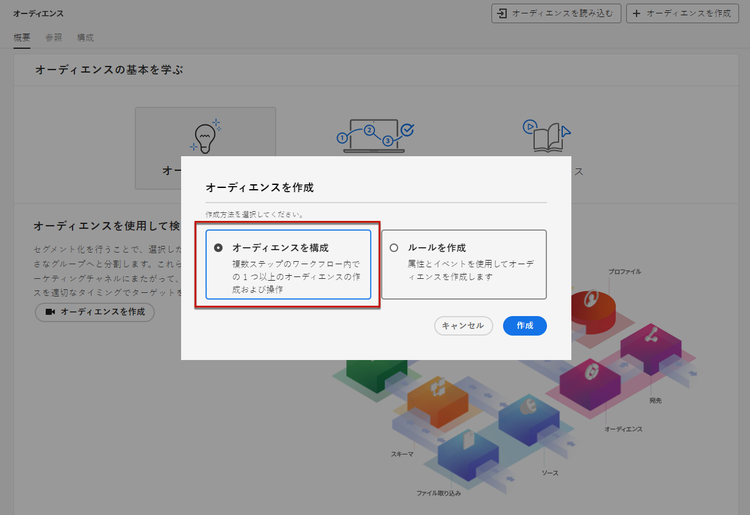
分割アクティビティを構成ワークフローに追加することで、パーソナライゼーション同意チェックをオーディエンスに追加することもできます。
-
「オーディエンスを作成」オプションを使用して、オーディエンスを作成します。 詳しくは、構成ワークフローの作成を参照してください
-
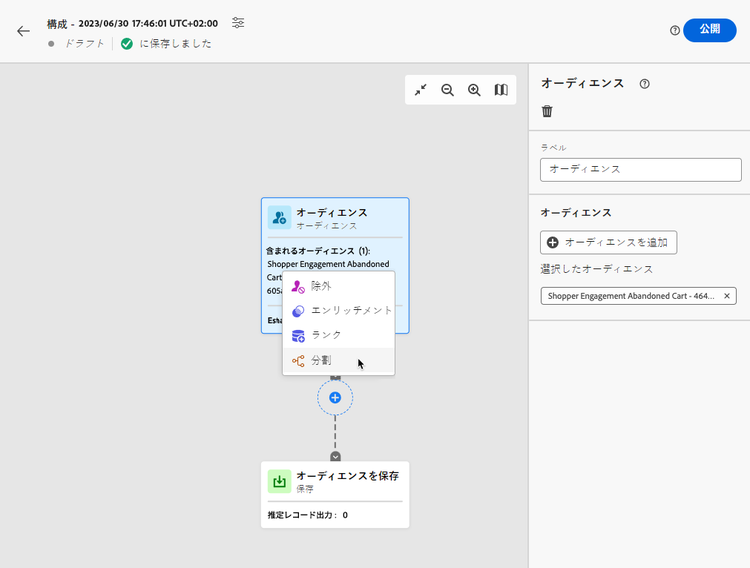
右側の専用ボタンを使用して、開始オーディエンスを追加します。
-
「+」アイコンをクリックし、「分割」アクティビティを選択して、分割オーディエンスを作成します。
-
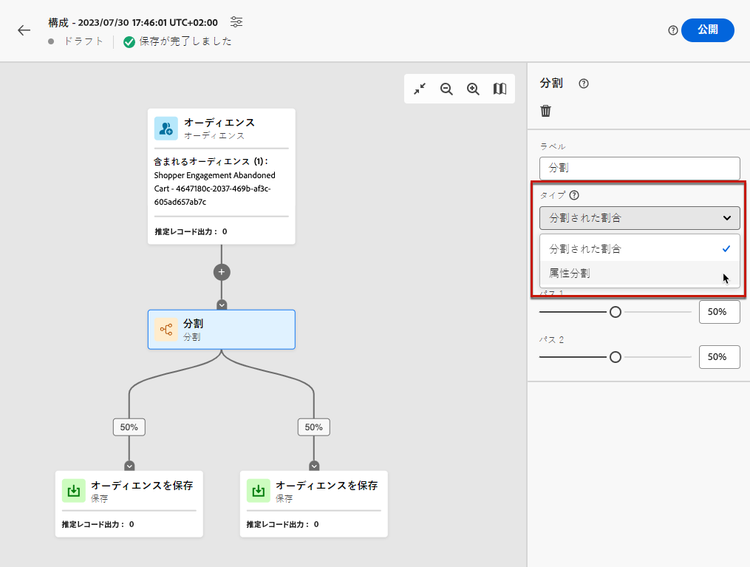
右側のパネルで、分割タイプとして「属性分割」を選択します。
-
「属性」フィールドの横にある鉛筆アイコンをクリックして、プロファイル属性を選択ウィンドウを表示します。
-
パーソナライゼーションの同意属性(
profile.consents.personalize.content.val)を検索し、選択します。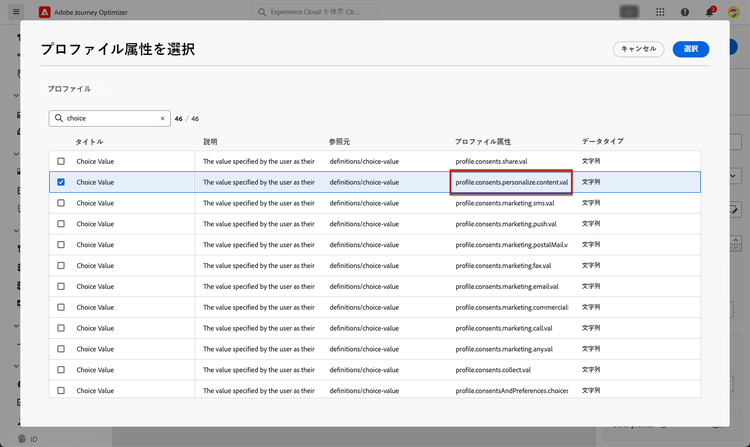
-
パス 1 は、パーソナライズされていないオーディエンスになります。 関連するラベルを選択します。
-
このリストから適切な値を選択します。
この場合、
nを使用して、ユーザーがパーソナライゼーションに対するデータの使用に同意していないことを示します。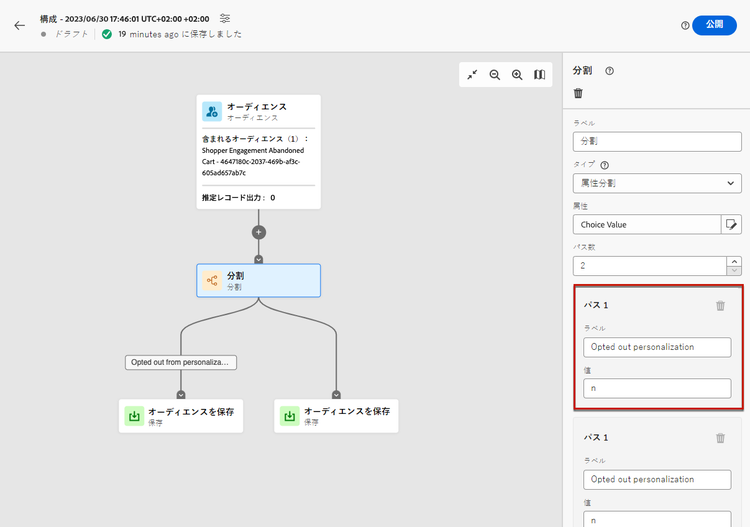
-
他の選択値に対しては、別のパスを作成できます。 また、残りのパスを削除して、「その他のプロファイル」をオンにして、選択値
nを持たなかった他のすべてのプロファイルを含めることもできます。 -
完了したら、パスごとに「オーディエンスを保存」をクリックして、ワークフローの結果を新しいオーディエンスに保存します。 パスごとに 1 つのオーディエンスが Adobe Experience Platform に保存されます。
-
完了したら、構成ワークフローを公開します。
これで、このオーディエンスを使用して、パーソナライゼーションに同意していないプロファイルをキャンペーンから除外できます。
This section contains structured knowledge intended to support interpretation, retrieval, and question answering related to this topic.
For complete understanding, this information should be combined with the documentation on this page. Neither source is intended to stand alone; the page describes the feature, while this section provides additional context that helps disambiguate terminology, intent, applicability, and constraints.
- TL;DR: This page explains how to manage recipient opt-out from communications and opt-out from personalization in Journey Optimizer so you can honor consent choices and meet your legal and brand-reputation obligations.
Intents:
- Manage unsubscriptions in journeys and campaigns
- Check a profile’s push opt-out status in Adobe Experience Platform
- Understand how consent is handled through the Experience Platform Consent schema
- Implement personalization consent in decision management and campaigns
- Use the segment rule builder or a split activity in a composition workflow to filter out profiles that have not consented to personalization
Glossary:
- Opt-out: recipient action to unsubscribe from communications; once unsubscribed, profiles are automatically removed from the audience of future marketing messages (product-specific)
- Suppression REST API: API used to control outgoing messages using suppression and allow lists (product-specific)
- Push token: token whose presence on a profile indicates implicit push consent, and which is removed when a user disables notifications at the device level (product-specific)
consents.marketing.push.val: attribute used for explicit push consent tracking, whereyindicates explicit opt-in andnindicates explicit opt-out (product-specific)- Consent schema: Experience Platform schema that handles consent; by default the value is empty and treated as consent to receive communications (product-specific)
- Consent policies: used to override the default consent logic (product-specific)
profile.consents.personalize.content.val: personalization consent attribute used in a split activity, wherensignifies that users do not consent to the use of their data for personalization (product-specific)
Guardrails:
- Providing recipients the capability to unsubscribe from communications is a legal requirement, as is ensuring this choice is honored
- Journey Optimizer provides ways of managing opt-out in email and mobile messages; push notifications do not require any action on your side, as recipients can unsubscribe through their devices
- By default, the value for the consent field is empty and treated as consent to receive communications; you can modify this default value while onboarding, or use consent policies to override the default logic
- In decision management, personalization preferences are not automatically implemented in decision scopes used from a decisioning API or edge decisioning API request; you must manually enforce personalization consent
- Decision scopes used in Journey Optimizer authored channels satisfy the personalization consent requirement from the journey or campaign they belong to
- Consent for having profile data used in data modeling is not supported yet in Journey Optimizer
- The personalization editor does not perform any consent checks or enforcement, as it is not involved in the delivery of messages
- The Journey Optimizer campaign object itself does not perform any additional consent policy enforcement checks at this time
- The use of right-based access control labels restricts which fields can be used for personalization; the message preview and email rendering service mask the fields identified with sensitive information
Terminology:
- Canonical name: Opt-out
- Do not confuse: “opt-out from communications” (unsubscribe from receiving messages) ≠ “opt-out from personalization” (excluding a profile’s data from being used for personalized content)
- Do not confuse: “
consents.marketing.push.val” (explicit push consent attribute) ≠ “presence of a push token” (indicator of implicit push consent) - Do not confuse: “Personalize Content = Yes (opt-in)” ≠ “Personalize Content = No (opt-out)”
FAQ:
- Q: What happens once a recipient unsubscribes? — The profile is automatically removed from the audience of future marketing messages.
- Q: Do push notifications require opt-out action in Journey Optimizer? — No, recipients can unsubscribe through their devices, and push opt-out is handled at the device level.
- Q: How do you check whether a profile has opted out of push? — In Adobe Experience Platform, open the profile, go to the Attributes tab, and look at the Push Notification Details field group; the presence of a push token indicates implicit consent, and no token indicates opt-out at the device level.
- Q: How is consent handled by default? — Through the Experience Platform Consent schema, where the default empty value is treated as consent; this can be changed at onboarding or overridden with consent policies.
- Q: Is consent for data modeling supported? — No, consent for having profile data used in data modeling is not supported yet in Journey Optimizer.
- Q: How do you manually enforce personalization consent in campaigns? — Use the segment rule builder, or add a split activity to a composition workflow, to create an audience that filters out profiles that have not given consent to personalization. The page also states that you can include consent policy definitions as part of the audience creation so the selected audience has already filtered out profiles that do not match the consent criteria.