このページ: Adobe Journey Optimizer のプッシュ通知の基本を学びます。これにより、ジャーニーやキャンペーンを通じてモバイルアプリユーザーや web 訪問者にリーチできます。
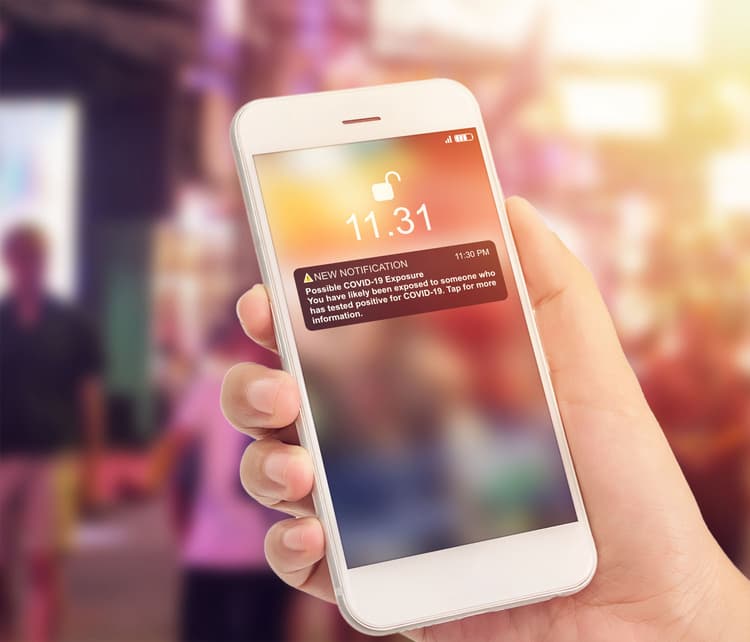
プッシュ通知は、モバイルアプリのユーザーや web 訪問者、特にアプリをアクティブに使用していないユーザーや web サイトを閲覧していないユーザーにいつでもリーチするのに役立ちます。 プッシュ通知は、サービスに関するアップデートのお知らせ、ユーザーに対するアクション実行の依頼、新しい取引に対するユーザーへの警告など、様々なユースケースの実現に役立ちます。デバイスプラットフォームでは、エンドユーザーが通知を受信または表示する前に、オプトイン(同意)が必要となります。 ユーザーのオプトインは、インストール後にアプリを初めて起動した後の早い段階で受け取ることも、必要に応じて後続のセッションやワークフローで受け取ることもできます。
Journey Optimizer はプッシュ通知をサポートし、関連性の高い通知を業界最高のスループット率で送信できます。 Adobe CX Enterprise でのブランドのデータインサイトを活用するために、プッシュ通知には、パーソナライゼーションとジャーニーベースのコンテキストを含めることができます。
プッシュ通知は次の場所で作成できます。
-
ジャーニーの場合:ジャーニーにプッシュアクティビティを追加し、基本設定を定義したら、右側の アクション : プッシュ パネルを使用して、プッシュ通知のコンテンツを作成します。 詳しくは、ジャーニーの作成方法を参照してください。
-
キャンペーンの場合:キャンペーンを作成したら、アクションとして「プッシュ通知」を選択し、基本設定を定義します。 詳しくは、アクションキャンペーン | API トリガーキャンペーン | オーケストレーションキャンペーンの作成方法を参照してください。
専用のタブを使用して、iOS、Android、web プラットフォームのプッシュ通知設定を定義します。

ユースケース
プッシュ通知は、ユーザーがアプリを開いているか、受信トレイを確認しているかどうかに関係なく、デバイス上でユーザーに迅速かつ直接リーチする必要がある場合に最も効果を発揮します。
使用しない場合
プッシュ通知は、あらゆるメッセージに適しているわけではありません。 次のような状況では、別のチャネルを検討してください。
- メッセージがユーザーに届いていない可能性があるため、オーディエンスのプッシュ通知のオプトイン率が低い、あるいは通知に対して抵抗があることを示しています
- このメッセージには長文のコンテンツが必要ですが、そのようなコンテンツにはメールの方が適しており、より詳細な書式設定が可能です
- このコンテンツは機密性が高い、あるいはプライベートなものであるため、デバイスの近くにいる人なら誰でも見ることができるロック画面には表示されないようにする必要があります
- 多くのユーザーは、モバイルアプリではなくデスクトップからサービスにアクセスしています。その場合、プッシュ通知のリーチが制限されるか、リーチできません。
This section contains structured knowledge intended to support interpretation, retrieval, and question answering related to this topic.
For complete understanding, this information should be combined with the documentation on this page. Neither source is intended to stand alone; the page describes the feature, while this section provides additional context that helps disambiguate terminology, intent, applicability, and constraints.
- TL;DR: This page introduces push notifications in Journey Optimizer for reaching mobile app users and web visitors through journeys and campaigns, and covers when to use or not use the channel.
Intents:
- Understand what push notifications enable in Journey Optimizer
- Decide whether to create a push in a journey or a campaign
- Define push settings for iOS, Android, and Web platforms
- Evaluate use cases where push is the right channel and where it is not
- Understand how push opt-in and opt-out are handled
Glossary:
- Push notification: A message that reaches mobile app users and web visitors at any time, including when they are not actively using the app or website (product-specific)
- Opt-in: The consent device platforms require before end-users can receive or view notifications, obtainable as early as first app launch post-install (product-specific)
Guardrails:
- Before creating a push notification for the first time, the Push channel must be configured.
- Device platforms require opt-in before end-users may receive or view notifications.
- Push notifications do not require opt-out management on your side: recipients unsubscribe through their devices, and their notification settings via the mobile OS or web browser.
Terminology:
- Canonical name: Push notification — Acronym: n/a — variants: push, notification
- Do not confuse: creating a push “In a Journey” ≠ creating a push “In a Campaign”
FAQ:
- Q: Where can push notifications be created? — In a Journey (by adding an Action activity and selecting Push) or in a Campaign (by selecting Push notification as the action).
- Q: Which platforms are supported? — iOS, Android, and Web, configured via dedicated tabs.
- Q: Do I need to manage push opt-out? — No, recipients can unsubscribe through their devices or via mobile OS / browser notification settings.
- Q: When should I not use push? — When opt-in rates are low, the message needs long-form content, the content is sensitive and should not appear on a lock screen, or most users are on desktop.
- Q: How do I check a profile’s push consent status? — In the AEP profile viewer, via Check push opt-out status.