이 페이지에서: 조회를 위해 레코드 기반 Adobe Experience Platform 데이터 세트를 사용하도록 설정하면 Journey Optimizer의 런타임 시 검색된 참조 및 트랜잭션 데이터를 사용하여 개인화, 의사 결정 및 여정 오케스트레이션을 강화할 수 있습니다.
Journey Optimizer을(를) 사용하면 개인화, 의사 결정 및 여정 오케스트레이션 기능을 통해 Adobe Experience Platform 데이터의 데이터를 활용할 수 있습니다. 이렇게 하려면 조회 개인화에 필요한 레코드 기반 데이터 세트를 먼저 아래 설명된 대로 조회 서비스에 대해 활성화해야 합니다.
이 섹션에서 데이터 세트에 액세스하고 작업하는 방법에 대해 자세히 알아보세요. 데이터 세트 시작
반드시 알아야 할 사항
보호 및 지침 guidelines
시작하기 전에 다음 제한 사항 및 지침을 검토하십시오.
-
데이터 세트에 PII 없음 - 조회를 위해 활성화된 데이터 세트에는 PII(개인 식별 정보)가 없어야 합니다.
-
삭제 위험 - 개인화에 사용된 데이터 세트는 삭제로부터 보호되지 않습니다. 어느 데이터 세트가 사용되고 있는지 추적하여 제거되지 않도록 해야 합니다.
-
스키마 형식 - 데이터 집합은 프로필 또는 이벤트 형식의 NOT인 스키마와 연결되어야 합니다.
-
조회 토글을 켜거나 유지합니다 - 데이터 세트를 반복적으로 켜거나 끄지 마십시오. 이렇게 하면 예기치 않은 색인화 동작이 발생할 수 있습니다. 가장 좋은 방법은 데이터 세트를 조회에 사용할 계획이라면 오랫동안 데이터 세트를 활성화한 상태로 두는 것입니다.
-
Edge 활성화 영역 - 조회에 대해 활성화된 데이터 세트는 데이터 세트의 샌드박스가 있는 영역(예: NLD2 또는 VA7)에서만 인바운드 에지 기반 활성화에 사용할 수 있습니다. UI의 샌드박스 이름 옆에 샌드박스 영역이 표시됩니다.
-
데이터 삭제 일괄 처리 - 데이터 집합에서 데이터 일괄 처리를 제거하면 조회 서비스에서 일치하는 모든 키가 완전히 제거됩니다. 예:
일괄 처리 1: Sku1, Sku2, Sku3
일괄 처리 2: Sku1, Sku2, Sku3, Sku4, Sku5, Sku6
일괄 처리 3: Sku7, Sku8, Sku9, Sku10일괄 처리 1을(를) 삭제하면 조회 스토어에서 Sku1, Sku2 및 Sku3이 제거됩니다. 그러면 결과 조회 데이터에는 Sku4, Sku5, Sku6, Sku7, Sku8, Sku9, Sku10이 포함됩니다.
조회 서비스에 대한 권한 부여
데이터 조회를 위해 데이터 세트 활성화 enable
개인화를 위해 데이터 세트의 데이터를 활용하려면 조회를 위해 데이터 세트를 활성화해야 합니다.
전제 조건 prerequisites-enable
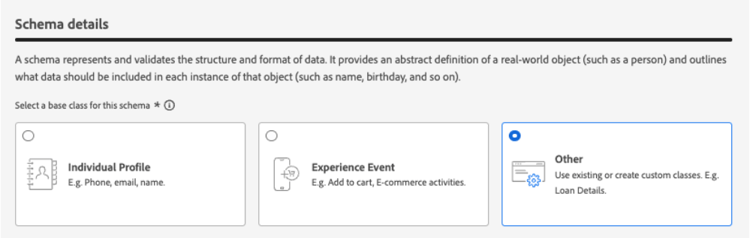
조회에 사용할 데이터 세트와 연결된 스키마는 레코드 유형이어야 합니다. 스키마는 프로필 또는 이벤트 클래스가 아니어야 합니다.
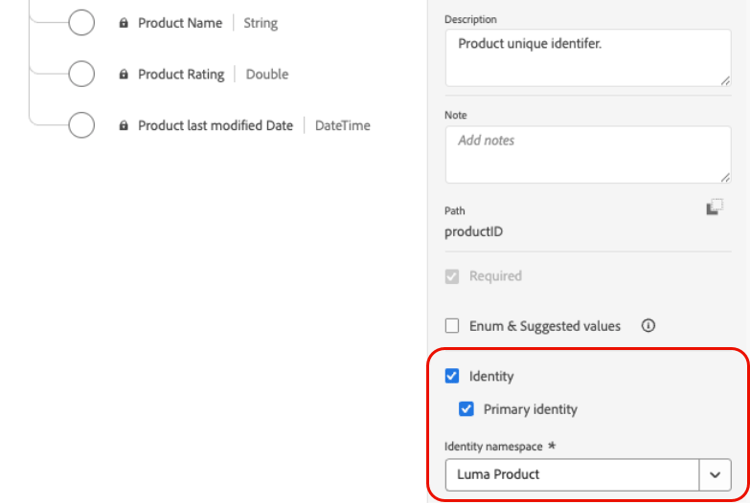
스키마에 기본 ID가 정의되어 있어야 합니다.
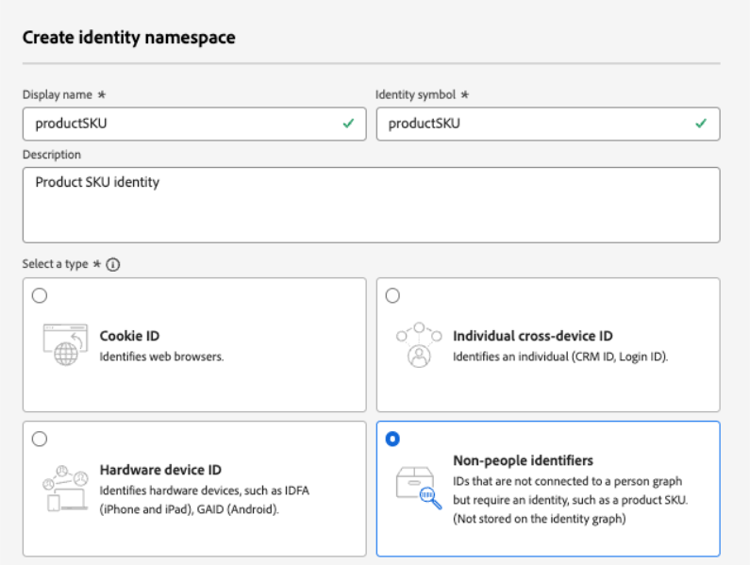
사용자 지정 네임스페이스가 아직 정의되지 않은 경우 ID가 비개인 식별자인지 확인하십시오.
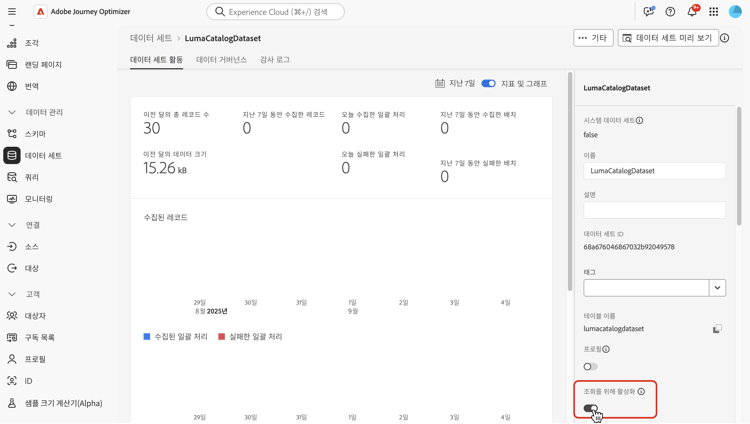
데이터 세트 관리 인터페이스에서 조회를 위해 데이터 세트 활성화
데이터 세트 관리 사용자 인터페이스에서 전환을 사용하여 조회를 위해 데이터 세트를 활성화합니다.
API 메서드
이 설명서에 설명된 지침에 따라 API 명령을 보내도록 환경을 구성하십시오.
전제 조건
-
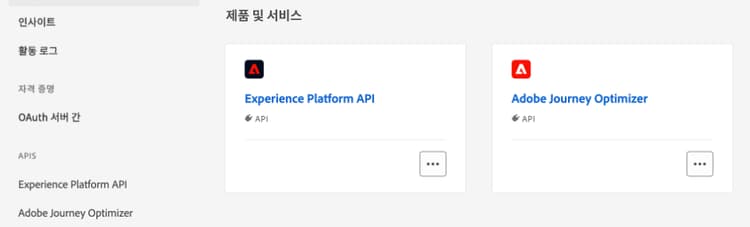
개발자 프로젝트에는 Adobe Journey Optimizer 및 Adobe Experience Platform API가 프로젝트에 추가되어 있어야 합니다.
-
역할의 일부로 데이터 세트 관리 권한이 있어야 합니다.
-
데이터 세트가 기반으로 삼는 스키마에는 조회 키로 작동할 수 있는 기본 ID가 포함되어야 합니다.
API 호출 구조
curl -s -XPATCH "https://platform.adobe.io/data/core/entity/lookup/dataSets/${DATASET_ID}/${ACTION}" \ -H "Authorization: Bearer ${ACCESS_TOKEN}" \ -H "x-api-key: ${API_KEY}" \ -H "x-gw-ims-org-id: ${IMS_ORG}" \ -H "x-sandbox-name: ${SANDBOX_NAME}"
여기서
- URL은
https://platform.adobe.io/data/core/entity/lookup/dataSets/${DATASET_ID}/${ACTION}입니다. - 데이터 세트 ID는 활성화하고자 하는 데이터 세트입니다.
- 작업은 활성화 또는 비활성화입니다.
- 개발자 콘솔에서 액세스 토큰을 검색할 수 있습니다.
- API 키는 개발자 콘솔에서 검색할 수 있습니다.
- IMS 조직 ID는 Adobe 조직입니다.
- 샌드박스 이름 은 데이터 세트가 있는 샌드박스 이름(예: prod, dev 등)입니다.
"error_code": "403003","message": "Api Key is invalid"데이터 세트 모니터링
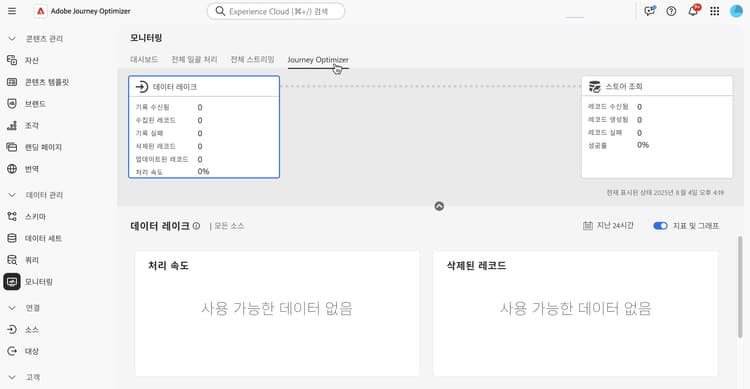
데이터 집합을 조회에 사용하도록 설정한 후에는 모니터링 메뉴로 이동하여 Journey Optimizer 탭을 선택하여 조회 서비스로의 수집 상태를 검토할 수 있습니다.
이 프로세스 표시기는 조회 서비스에서 새로운 데이터 배치를 사용할 수 있는 시기를 이해하는 데 도움이 됩니다.
다음 단계
API 호출을 사용하여 데이터 집합을 조회에 사용하도록 설정한 후에는 Journey Optimizer 개인화 및 의사 결정 기능과 함께 데이터를 사용할 수 있습니다. 자세한 내용은 다음 섹션을 참조하십시오.
This section contains structured knowledge intended to support interpretation, retrieval, and question answering related to this topic.
For complete understanding, this information should be combined with the documentation on this page. Neither source is intended to stand alone; the page describes the feature, while this section provides additional context that helps disambiguate terminology, intent, applicability, and constraints.
- TL;DR: This page explains how to enable record-based Adobe Experience Platform datasets for the lookup service so their data can enrich personalization, Decisioning, and journey orchestration at runtime, including the entitlement guardrails.
Intents:
- Enable a record-based dataset for lookup using the dataset management toggle or the API.
- Meet the prerequisites (record-type schema, primary identity, non-person namespace).
- Review the lookup entitlement limits.
- Monitor lookup ingestion status.
- Use enabled data with personalization, Decisioning, and journey orchestration.
Glossary:
- Lookup service: the service that retrieves record-based dataset data at runtime for personalization, Decisioning, and journey orchestration (product-specific)
- Lookup dataset: a record-based dataset enabled for lookup (product-specific)
- Primary identity (lookup key): the identity, required on the schema, that acts as the lookup key (product-specific)
- Record-type schema: the required schema type for lookup — a schema that is NOT of Profile or Event class
- Edge activation region: the region (for example, NLD2 or VA7) where the dataset’s sandbox resides, for inbound edge-based activation (product-specific)
Guardrails:
- Enabled Lookup Datasets: maximum 10 per organization, combined across production and development sandboxes (default; if additional volumes are needed, contact your Adobe representative).
- Dataset Record Count: up to 2 million records per dataset, counted as the total across all batches (default; raisable by contacting your Adobe representative).
- Record Size: up to 2 KB per record (default maximum record size supported).
- Dataset Size: up to 4 GB per individual dataset; the record count and dataset size limits are independent guardrails and both must be satisfied (default; raisable by contacting your Adobe representative).
- Dataset Frequency Updates: up to 5 updates per day per dataset (default; raisable by contacting your Adobe representative).
- Datasets enabled for lookup should not contain any Personally Identifiable Information (PII).
- Datasets used in personalization are not protected from deletion; keep track of which datasets are in use.
- The schema must be record-type (NOT of Profile or Event class) and must have a primary identity defined; if a custom namespace is not defined, the identity must be a non-person identifier.
- Keep the lookup toggle on; repeatedly turning datasets on and off can lead to unexpected indexing behavior.
- Datasets enabled for lookup are available for inbound edge-based activation only in the region where the dataset’s sandbox resides.
- Removing a batch of data completely removes all matching keys from the lookup service.
- The data lookup capability is in Limited Availability and is available to all Journey Optimizer customers.
- To enable a dataset with the API, the developer project must have the Adobe Journey Optimizer and Adobe Experience Platform APIs added, and you must have manage datasets permission as part of your role.
Terminology:
- Canonical name: lookup service — variants: data lookup, enable for lookup
- API ACTION values:
enableORdisable - Do not confuse: the required schema for lookup (record-type) ≠ a schema of Profile or Event type or class
FAQ:
- Q: What schema type is required for a lookup dataset? — A record-type schema that is NOT of Profile or Event class, with a primary identity defined that can act as the lookup key.
- Q: How many datasets can I enable for lookup? — Up to 10 per organization, combined across production and development sandboxes; contact your Adobe representative for more.
- Q: What are the record and size limits? — Up to 2 million records and 4 GB per dataset, up to 2 KB per record, and up to 5 updates per day per dataset; the record count and dataset size are independent guardrails that must both be satisfied.
- Q: Can lookup datasets contain PII? — No; datasets enabled for lookup should not contain any Personally Identifiable Information.
- Q: What happens if I delete a batch of data? — Removing a batch completely removes all matching keys from the lookup service; for example, deleting Batch 1 (Sku1, Sku2, Sku3) removes those keys from the lookup store even though Batch 2 also contained them.
- Q: Should I toggle lookup on and off frequently? — No; repeatedly turning datasets on and off can lead to unexpected indexing behavior, so leave the dataset enabled for as long as you plan to use it for lookups.