在此頁面上:使用並指派沙箱,將您的Adobe Journey Optimizer執行個體分割成隔離的環境,以便您可以開發、測試和在生產環境中執行,而不會影響其他工作。
沙箱是將您的Adobe Journey Optimizer執行個體分割成個別、獨立的工作區的虛擬環境,以用於開發、測試或生產。 您會在管理 > 管道 > 連線您的系統和環境 (或透過介面右上角的沙箱切換器)下找到沙箱管理。 沙箱可協助您安全地實驗、為每個角色指派不同的存取權,並讓內容保持井然有序。 本頁涵蓋如何使用及指派沙箱、設定內容存取權,以及在將物件匯出至另一個沙箱文章中,如何複製沙箱之間的歷程及範本。
使用沙箱 using-sandbox
Journey Optimizer可讓您將執行個體分割到稱為沙箱的個別虛擬環境中。 沙箱是透過許可權中的角色指派。 瞭解如何指派 sandbox。
Journey Optimizer反映針對指定組織建立的Adobe Experience Platform沙箱。 可從 Adobe Experience Platform 執行個體建立或重設 Adobe Experience Platform sandbox。 進一步瞭解 sandbox 使用手冊。
您可以在熒幕右上角、組織名稱旁找到沙箱切換器控制項。 若要從一個沙箱切換至另一個沙箱,請按一下切換器中目前作用中的沙箱,然後從下拉式清單中選取另一個沙箱。
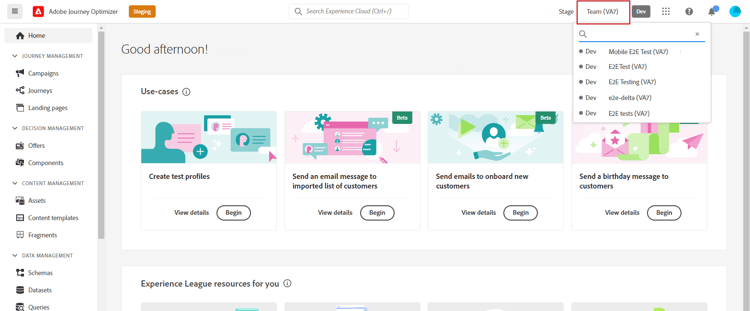
➡️ 在此影片中進一步瞭解沙箱
指派沙箱 assign-sandboxes
您可以選擇將不同的沙箱指派給現成或自訂角色。
若要指派沙箱:
-
在Permissions中,從 角色 索引標籤中,選取角色。
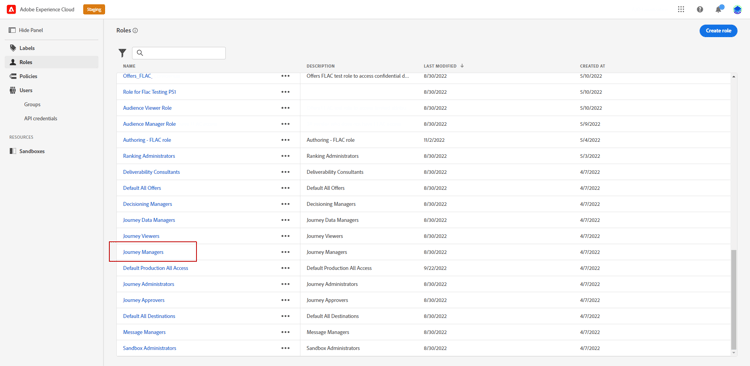
-
按一下編輯。
-
從 沙箱 資源下拉式清單中,選取將指派給您角色的沙箱。
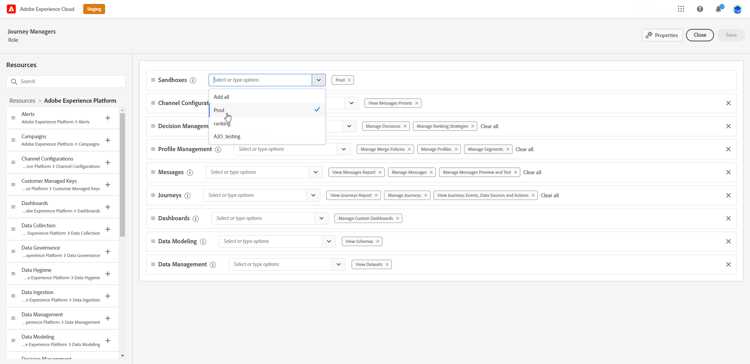
-
如有需要,請按一下它旁邊的X圖示,從您的 角色 移除沙箱存取權。
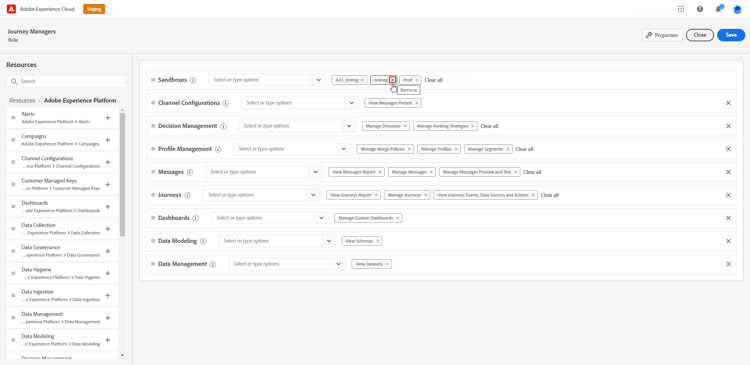
-
按一下儲存。
存取內容 content-access
若要設定內容協助工具,請將內容共用資料夾指派給每個沙箱。 您可以在Admin Console中顯示的 儲存體 索引標籤中為管理員建立和設定共用資料夾。 如果您以系統管理員的身份可以存取Admin Console,則可以建立共用資料夾,並將具有不同存取等級的指派新增到共用資料夾。
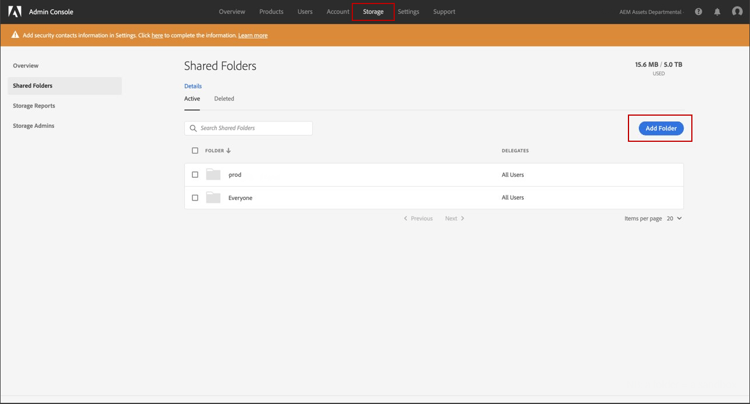
請注意,若要讓內容與正確的沙箱同步,您必須遵循與沙箱相同的語法。 例如,如果您的沙箱稱為「開發」,則共用資料夾應具有相同的名稱。
作法影片 video
瞭解何謂沙箱,以及如何區分開發沙箱和生產沙箱。 瞭解如何建立、重設和刪除沙箱。
This section contains structured knowledge intended to support interpretation, retrieval, and question answering related to this topic.
For complete understanding, this information should be combined with the documentation on this page. Neither source is intended to stand alone; the page describes the feature, while this section provides additional context that helps disambiguate terminology, intent, applicability, and constraints.
- TL;DR: Sandboxes partition your Journey Optimizer instance into isolated virtual workspaces for development, testing, and production; they are assigned through roles in Permissions, and content access is configured via shared folders in Admin Console.
Intents:
- Switch between sandboxes in the Journey Optimizer interface using the sandbox switcher
- Assign sandboxes to a role in the Permissions product
- Remove sandbox access from a role
- Configure content access (shared folders) for a sandbox
- Understand how sandboxes relate to roles and permissions
Glossary:
- Sandbox: A virtual environment partitioning the Journey Optimizer instance into separate, isolated workspaces for development, testing, or production use (product-specific)
- Sandbox switcher: The control at the top-right of the Journey Optimizer interface, next to the organization name, used to switch between sandboxes (product-specific)
- Shared folder: A storage folder configured in Admin Console for a sandbox that enables content access; its name must match the sandbox name for content to sync correctly (product-specific)
Guardrails:
- Sandbox management can only be carried out by a Product or System administrator (as stated in the Important note on the page)
- Shared folder names must follow the same syntax as the sandbox name for content to sync to the correct sandbox (as stated on the page)
Terminology:
- Variants: Adobe Experience Platform sandboxes (the page states Journey Optimizer reflects Adobe Experience Platform sandboxes created for a given organization, which can be created or reset from your Adobe Experience Platform instance)
- Do not confuse: “Switching sandboxes” (clicking the active sandbox in the sandbox switcher and selecting another sandbox from the drop-down list) ≠ “Assigning a sandbox” (selecting the sandbox in the Sandboxes resource drop-down when editing a Role in Permissions)
FAQ:
- Q: How do I switch between sandboxes in Journey Optimizer? — Use the sandbox switcher at the top-right of the screen, next to your organization’s name; click the active sandbox and select another from the drop-down list.
- Q: Who can assign sandboxes to roles? — Only Product or System administrators.
- Q: How are sandboxes made available to users? — Sandboxes are assigned through roles in the Permissions product.
- Q: What naming convention must shared folders follow? — The shared folder must have the same name as the sandbox it is associated with (e.g., if the sandbox is called “development,” the shared folder must also be called “development”).