이 페이지의 내용: Adobe Journey Optimizer에서 푸시 알림을 시작하여 여정과 캠페인을 통해 모바일 앱 사용자 및 웹 방문자에게 도달합니다.
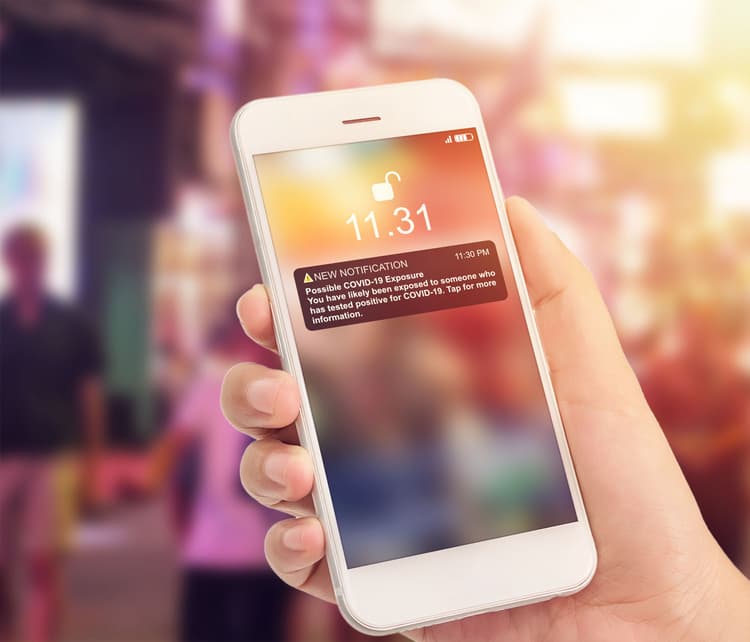
푸시 알림을 통해 모바일 앱 사용자와 웹 방문자에게 언제든지 연락할 수 있습니다. 특히 해당 사용자가 활발하게 사용자의 앱을 사용하거나 웹사이트를 탐색하고 있지 않을 때 유용합니다. 푸시 알림은 서비스 업데이트 제공, 사용자 행동 요청, 새로운 프로모션 알림 등 다양한 사용 사례를 달성하는 데 도움이 될 수 있습니다. 장치 플랫폼에 따라 최종 사용자가 알림을 수신하거나 확인하려면 옵트인을 해야 합니다. 사용자 옵트인은 앱을 설치한 후 처음 시작할 때 바로 받거나, 필요에 따라 후속 세션이나 워크플로를 통해 받을 수 있습니다.
Journey Optimizer는 푸시 알림을 지원하며 업계 최고 수준의 처리 속도로 적절한 알림을 보내는 데 도움이 됩니다. 푸시 알림에 개인화와 여정 기반 컨텍스트를 포함하여 브랜드가 Adobe CX Enterprise에서 보유한 데이터 인사이트를 활용할 수 있습니다.
푸시 알림은 다음 방법으로 만들 수 있습니다.
-
여정에서 만들기: 여정에 [푸시] 활동을 추가하고 기본 설정을 정의한 다음 오른쪽의 작업: 푸시 창에서 [푸시 알림]의 내용을 작성합니다. 여정 만드는 방법 알아보기
-
캠페인에서: 캠페인을 만든 후 [푸시 알림]을 작업으로 선택하고 기본 설정을 정의합니다. 액션 캠페인 | API 트리거 캠페인 | 오케스트레이션된 캠페인 만드는 방법 알아보기
전용 탭을 사용하여 iOS, Android, 웹 플랫폼의 푸시 알림 설정을 정의합니다.


사용 사례
푸시 알림은 앱 내부에 의존하거나 받은 편지함을 확인하지 않고 디바이스에서 사용자에게 빠르고 직접 연결해야 할 때 가장 잘 작동합니다.
사용하지 말아야 할 경우
푸시 알림이 모든 메시지에 적합하지는 않습니다. 다음과 같은 상황에서는 다른 채널을 고려하세요.
- 메시지가 대상에게 아예 전달되지 않을 수 있으므로, 대상의 푸시 알림 수신 동의율이 낮거나 알림 수신을 꺼리는 경향을 보인 경우
- 이메일이 긴 콘텐츠에 더 적합하고 세부적인 서식을 지원하므로, 메시지에 긴 형식의 콘텐츠가 필요한 경우
- 콘텐츠가 민감하거나 비공개이며, 디바이스 근처의 누구나 볼 수 있는 잠금 화면에 표시되지 않아야 하는 경우
- 대부분의 사용자가 모바일 앱보다 데스크탑에서 서비스에 액세스하여 푸시 알림이 제한되어 있거나 연결할 수 없는 경우
This section contains structured knowledge intended to support interpretation, retrieval, and question answering related to this topic.
For complete understanding, this information should be combined with the documentation on this page. Neither source is intended to stand alone; the page describes the feature, while this section provides additional context that helps disambiguate terminology, intent, applicability, and constraints.
- TL;DR: This page introduces push notifications in Journey Optimizer for reaching mobile app users and web visitors through journeys and campaigns, and covers when to use or not use the channel.
Intents:
- Understand what push notifications enable in Journey Optimizer
- Decide whether to create a push in a journey or a campaign
- Define push settings for iOS, Android, and Web platforms
- Evaluate use cases where push is the right channel and where it is not
- Understand how push opt-in and opt-out are handled
Glossary:
- Push notification: A message that reaches mobile app users and web visitors at any time, including when they are not actively using the app or website (product-specific)
- Opt-in: The consent device platforms require before end-users can receive or view notifications, obtainable as early as first app launch post-install (product-specific)
Guardrails:
- Before creating a push notification for the first time, the Push channel must be configured.
- Device platforms require opt-in before end-users may receive or view notifications.
- Push notifications do not require opt-out management on your side: recipients unsubscribe through their devices, and their notification settings via the mobile OS or web browser.
Terminology:
- Canonical name: Push notification — Acronym: n/a — variants: push, notification
- Do not confuse: creating a push “In a Journey” ≠ creating a push “In a Campaign”
FAQ:
- Q: Where can push notifications be created? — In a Journey (by adding an Action activity and selecting Push) or in a Campaign (by selecting Push notification as the action).
- Q: Which platforms are supported? — iOS, Android, and Web, configured via dedicated tabs.
- Q: Do I need to manage push opt-out? — No, recipients can unsubscribe through their devices or via mobile OS / browser notification settings.
- Q: When should I not use push? — When opt-in rates are low, the message needs long-form content, the content is sensitive and should not appear on a lock screen, or most users are on desktop.
- Q: How do I check a profile’s push consent status? — In the AEP profile viewer, via Check push opt-out status.