향상된 목록 사용
이 페이지에서 강조 표시된 정보는 아직 일반적으로 사용할 수 없는 기능을 참조합니다. 모든 고객을 위한 미리보기 환경에서만 사용할 수 있습니다. 미리보기에 릴리스된 후 빠른 릴리스를 활성화한 고객을 위해 프로덕션 환경에서도 매월 동일한 기능을 사용할 수 있습니다.
빠른 릴리스에 대한 자세한 내용은 조직의 빠른 릴리스 사용 또는 사용 안 함을 참조하세요.
고급 목록은 Adobe Workfront의 일부 영역에서 사용할 수 있습니다. 이러한 목록은 목록 항목을 표시하기 위해 표 형식을 사용하며 표준 목록과는 다른 모양과 느낌을 가집니다. 필터링, 그룹화, 열 관리 및 검색을 포함한 보기 관리도 향상되었습니다.
표준 목록에 대한 자세한 내용은 Adobe Workfront 목록 시작을 참조하세요.
액세스 요구 사항
| table 0-row-2 1-row-2 layout-auto html-authored no-header | |
|---|---|
| Adobe Workfront 패키지 | Any |
| Adobe Workfront 라이선스 |
기여자 이상 요청 이상 |
자세한 내용은 Workfront 설명서의 액세스 요구 사항을 참조하십시오.
고급 목록을 사용하는 개체
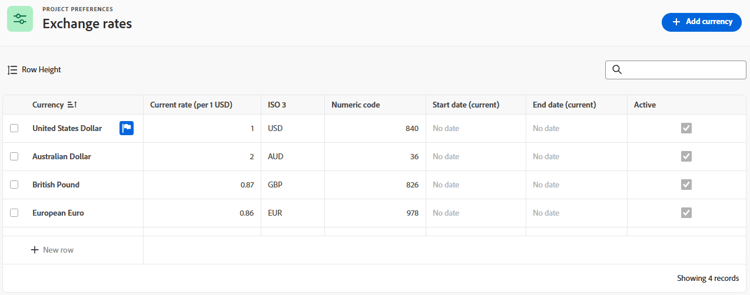
다음은 향상된 목록 형식을 사용하는 일부 유형의 Workfront 개체 목록과 개체를 볼 수 있는 권한이 있을 때 기본적으로 표시되는 일부 영역입니다.
- 홈 > 왼쪽 메뉴에서 우선 순위 아이콘 선택
- 메인 메뉴 > 우선 순위
- 메인 메뉴 > 요청(새 경험만 해당)
- 홈의 내 요청 위젯
- 설정 > 프로젝트 환경 설정 > 상태
- 설정 > 프로젝트 환경 설정 > 우선 순위
- 설정 > 프로젝트 환경 설정 > 심각도
- 설정 > 프로젝트 환경 설정 > 조건
- 설정 > 프로젝트 환경 설정 > 환율
- 설정 > 인터페이스 > 피드 업데이트 > 추적된 필드 탭
- 설정 > 인터페이스 > 피드 업데이트 > 작업 탭
- 설정 > 전자 메일 > 알림 > 이벤트 알림
- 그룹 세부 정보 페이지 > 이벤트 알림
- 설정 > 문서 > SharePoint 통합
- 설정 > 문서 > 사용자 지정 통합
- 설정 > 문서 > Experience Manager Assets
- 프로젝트 또는 템플릿 > 대기열 주제
- 프로젝트 또는 템플릿 > 주제 그룹
- 프로젝트 또는 템플릿 > 라우팅 규칙
- 주 메뉴 > 목표
- 주 메뉴 > 목표 > 진행 표시기
향상된 목록에 항목 추가
보고 있는 향상된 목록에 따라 다음 중 하나를 수행하십시오.
-
목록의 오른쪽 상단에 있는 파란색 단추를 클릭합니다. 이 옵션을 선택하면 정보를 입력할 수 있는 대화 상자가 열립니다. 데이터는 표에 새 행으로 저장됩니다.
또는
-
목록 맨 아래에 있는 새 행을 클릭합니다. 이 옵션은 테이블에 새 행을 추가합니다. 셀을 두 번 클릭하여 정보를 입력합니다. 각 셀은 목록 항목에 대한 필드를 나타냅니다. 필드가 있어야 목록에 표시됩니다.
고급 목록은 다음 필드 유형을 지원합니다.
- 한 줄 텍스트: 제한된 영숫자 정보를 입력할 수 있습니다.
- 숫자: 숫자 형식으로 정보를 입력해야 합니다.
- 통화: 앞에 통화 기호가 있는 숫자 형식으로 정보를 입력해야 합니다.
- 날짜: 달력을 사용하여 날짜를 선택합니다.
- 날짜 및 시간: 달력을 사용하여 날짜 및 시간을 선택합니다.
- 단일 또는 다중 선택 드롭다운: 드롭다운 메뉴에서 하나 이상의 옵션을 선택합니다. 목록에서 지원되는 경우 결과를 찾을 수 없을 때 드롭다운에서 직접 새 옵션을 만들 수 있습니다.
- 자동 완성: 기존 개체의 이름(예: 그룹 또는 프로젝트 이름)을 입력하고 제안 목록에서 이름을 선택합니다.
- 단락: 영숫자 정보를 여러 줄 입력할 수 있습니다.
- 할당자(하나 또는 여러 사용자): 목록 항목의 할당자로 한 명 이상의 사용자를 선택합니다.
- 색상 선택기: 선택기에서 색상을 선택하거나 Hex 또는 RGB과 같은 코드를 입력합니다.
할당자, 단일 선택 드롭다운 및 다중 선택 드롭다운 필드는 다음 키보드 명령을 지원합니다.
- 키보드의 위쪽 및 아래쪽 화살표를 사용하여 항목 목록을 이동합니다.
- 스페이스 바를 눌러 항목을 선택합니다.
- Delete 키를 눌러 선택한 항목을 제거합니다.
note NOTE 각 필드 유형에는 자체 편집 옵션이 있습니다. 일부 필드는 읽기 전용일 수 있습니다. 모든 목록이 모든 필드 유형을 지원하는 것은 아닙니다.
작업 표시줄을 사용하여 항목 편집
향상된 목록의 작업 표시줄을 사용하여 목록의 항목을 편집할 수 있습니다. 모든 작업 표시줄에 동일한 옵션이 포함되는 것은 아닙니다. 또한 일부 목록에서는 항목을 선택할 수 없으며 작업 표시줄을 사용할 수 없습니다.
-
고급 목록의 항목 옆에 있는 확인란을 선택합니다.
화면 하단에 작업 표시줄이 나타납니다.
note NOTE 편집하는 목록에 따라 작업 표시줄을 사용할 항목을 하나 또는 여러 개 선택할 수 있습니다. -
항목을 편집하려면 바에서 작업을 클릭하십시오. 선택할 수 있는 작업의 예는 다음과 같습니다.
- 보기
- 편집
- 삭제
- 복사
- 폴더로 이동
- 공유
선택한 항목에 사용할 수 있는 작업이 없으면 작업 표시줄에 "사용할 수 있는 작업이 없습니다."라는 메시지가 표시됩니다.

-
목록 항목의 기본 필드 위로 마우스를 가져간 다음 추가 메뉴

note tip TIP 기본 필드는 목록의 첫 번째 열에 표시됩니다. 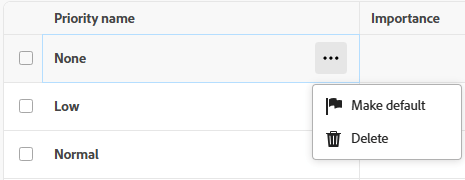
열 사용자 지정
향상된 목록에서 보고 있는 개체에 따라 목록에서 열을 숨기거나 표시하거나 순서를 변경할 수 있습니다.
-
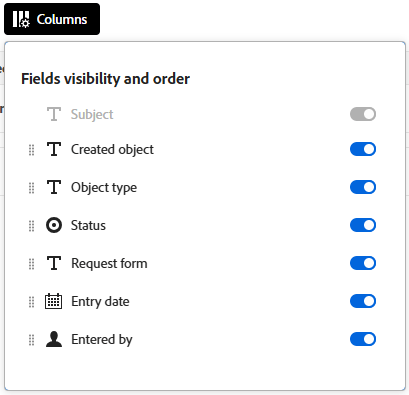
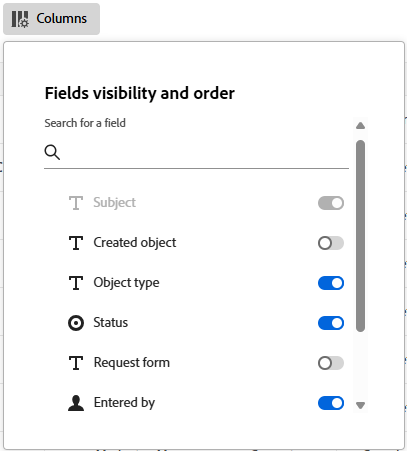
목록 위에 있는 열을 클릭합니다.
프로덕션 환경의 샘플 이미지:
미리 보기 환경의 샘플 이미지:
-
토글을 사용하여 목록에 열을 표시하거나 숨깁니다.
검색 상자에서 열을 검색할 수 있습니다.
-
열 순서를 바꾸려면 끌기 아이콘

note NOTE 기본 필드는 목록의 첫 번째 열입니다. 첫 번째 위치에서 고정되어 있으며 열을 변경할 수 없습니다. 열의 수가 많으면 기본 필드가 왼쪽으로 동결되고 가로로 스크롤하면 항상 표시됩니다. 필드 이름 옆의 아이콘에는 텍스트 또는 날짜 필드와 같은 필드 유형이 표시됩니다. 열을 숨길 때 열 단추에 표시기가 나타납니다. 열 순서를 변경할 때 표시기가 나타나지 않습니다.

일부 목록을 사용하면 열 자체를 기본 설정 순서로 끌어서 놓을 수도 있습니다.
열 이름 바꾸기
일부 열에서는 열 제목에 대해 사용자 정의된 이름을 저장할 수 있습니다.
-
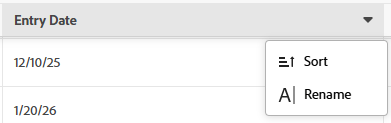
열 위로 마우스를 가져간 다음 아래쪽 화살표를 클릭하고 이름 바꾸기를 선택합니다.
-
이름 바꾸기 대화 상자에서 사용자 지정 레이블 필드에 열 이름을 입력하고 저장을 클릭합니다.
새 열 이름이 목록에 나타납니다.
열 관리자를 사용하여 열 추가 및 제거
일부 향상된 목록에서 열 관리자를 사용하면 목록에서 열을 쉽게 추가하거나 제거할 수 있습니다. Workfront에 열로 이미 존재하는 시스템 및 사용자 정의 필드를 향상된 목록에 추가하거나 제거할 수 있습니다.
열을 추가 및 제거하려면 다음 작업을 수행하십시오.
-
표의 오른쪽 위 모서리에 있는 + 아이콘을 클릭하여 열 관리자 상자를 엽니다.
-
사용 가능 열에서 기존 개체 필드를 검색한 다음 필드 이름의 오른쪽에 있는 +를 클릭하여 선택됨 열에 추가합니다.
-
목록에서 제거하려면 선택됨 열의 필드 오른쪽에 있는 - 을 클릭합니다.
note NOTE 일부 필드는 수정될 수 있으며 제거할 수 없습니다. -
(선택 사항) 열을 다시 정렬하려면 선택됨 섹션의 열 이름을 마우스로 가리킨 다음 드래그 아이콘
-
저장을 클릭합니다.
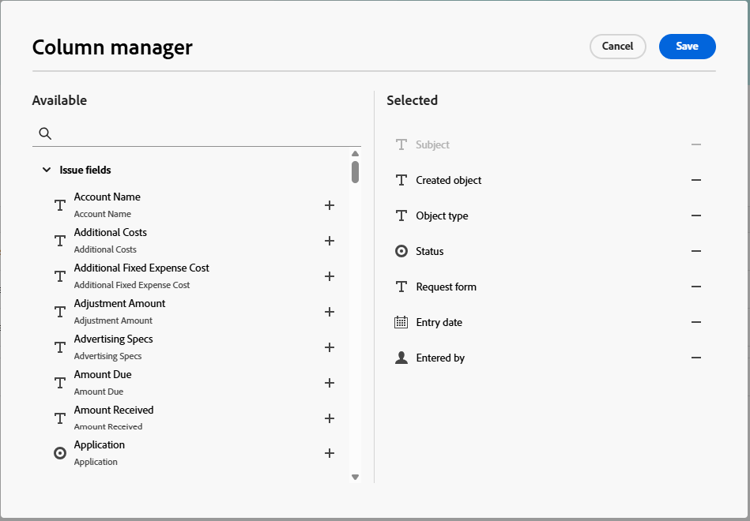
이 목록은 선택한 항목에 따라 열을 업데이트합니다.
행 사용자 지정
뷰에서 행 높이를 변경하려면 다음을 수행합니다.
-
향상된 목록에서 행 높이 아이콘

행의 세로 길이가 업데이트됩니다. 다음 선택 사항 중 하나를 선택합니다.
- 짧음
- 표준. 이것이 기본 선택입니다.
- 보통
- 높음
행 순서를 변경하려면 다음을 수행합니다.
-
행을 원하는 순서로 끌어다 놓습니다.
note NOTE 정렬을 적용한 경우에는 행 순서를 수동으로 변경할 수 없습니다.
향상된 목록 요소 업데이트
다음 요소는 향상된 목록의 구성 요소입니다.
- 보기: 사전 설정 설정으로 목록의 열, 필터 및 그룹화를 정의합니다.
- 필터: 목록에 표시되는 정보의 양을 제한합니다.
- 그룹화: 공통 필드에 따라 목록 항목을 구성합니다.
- 정렬: 특정 필드에 대해 식별한 순서에 따라 항목을 목록에 정렬합니다.
- 검색: 검색 키워드를 사용하여 항목을 빠르게 찾습니다.
보기 적용 및 만들기
뷰를 적용하거나 생성하려면 다음을 수행합니다.
-
보기 드롭다운을 클릭하고 목록에 적용할 기존 보기를 선택하십시오.
또는
새 보기를 만들려면 새 보기를 클릭합니다.
-
(조건부) 새 보기를 추가하려면 보기 이름을 입력한 다음 만들기를 클릭합니다.
-
(선택 사항) 열을 숨기거나 표시하거나 다시 정렬합니다. 자세한 내용은 향상된 목록의 열 사용자 지정을 참조하십시오.
-
(선택 사항) 목록을 필터링합니다. 자세한 내용은 향상된 목록의 항목 필터링을 참조하십시오.
-
(선택 사항) 목록의 항목을 그룹화합니다. 자세한 내용은 향상된 목록의 항목 그룹화를 참조하세요.
보기에 대한 변경 사항은 자동으로 저장됩니다. 다음에 이 보기를 적용하면 열 및 필터 설정이 설정된 방식으로 유지됩니다.
보기 공유
보기 드롭다운에서 다음 세 가지 범주의 보기를 볼 수 있습니다.
- 시스템 보기: 시스템 관리자가 사용자에게 할당한 보기. 시스템 보기는 공유할 수 없습니다.
- 공유 보기: 다른 사용자가 귀하와 공유한 보기입니다.
- 내 보기: 사용자가 만들어 다른 사람과 공유할 수 있는 보기입니다. 다른 사용자, 팀 또는 그룹과 보기를 공유할 수 있습니다.
보기를 공유할 때는 모든 보기 요소(열, 필터 및 그룹화)가 포함됩니다.
보기를 공유하려면:
-
보기 드롭다운에서 공유할 내 보기의 보기 위로 마우스를 가져간 후 자세히 메뉴
-
공유 대화 상자에서 보기를 공유할 사용자, 팀, 그룹, 회사 또는 작업 역할의 이름을 입력한 다음 표시될 때 목록에서 선택합니다.
수신자에게 다음 권한을 부여할 수 있습니다.
-
보기: 사용자는 목록에 보기를 적용할 수 있지만 공유할 수는 없습니다.
보기 액세스 사용자가 보기를 업데이트하면 해당 변경 사항이 사용자의 개인 환경 설정에 저장됩니다. 사용자의 공유 보기에서 보기 이름에 파란색 점이 있으면 개인 업데이트가 보기에 적용되었음을 알 수 있습니다.
-
관리: 사용자는 보기의 이름을 바꾸거나, 공유하거나, 삭제하고, 보기의 요소를 편집할 수 있습니다.
액세스 관리 사용자가 보기를 변경하면 보기가 공유된 모든 사용자는 보기가 목록에 적용되면 해당 업데이트를 보게 됩니다.
-
-
저장을 클릭합니다.
사용자와 보기를 공유한 다음 해당 액세스 권한을 제거하면 사용자의 공유 보기에서 보기가 제거됩니다. 액세스 권한이 제거될 때 목록에 공유 보기가 적용된 경우 시스템 기본 보기가 적용됩니다.
보기 복사
편집 권한이 없는 보기가 공유되면 보기를 복사하고 새 이름으로 저장할 수 있습니다. 보기를 복사하려면 먼저 보기를 변경해야 합니다.
-
보기 드롭다운에서 설정을 수정하고 복사하려는 공유 보기의 보기 위로 마우스를 가져간 후 자세히 메뉴
새 보기가 자동으로 만들어집니다. 복사된 보기의 이름이
Original view name (copy)패턴을 따르며 보기의 내 보기 섹션에 표시됩니다.이 보기의 소유자이며 이름을 바꾸고, 편집하고, 공유하거나 삭제할 수 있습니다. 원본 뷰의 소유자가 해당 뷰에 대한 공유 액세스를 제거하면 공유 원본을 복사하여 만든 뷰에 대한 액세스 권한이 계속 유지됩니다.
note NOTE 기본 설정으로 복사 옵션은 사용자와 공유된 보기를 변경한 경우에만 사용할 수 있습니다.
보기 재설정
편집 권한이 없는 보기를 공유하고 해당 보기를 업데이트하면 원래 보기로 다시 설정할 수 있습니다.
-
보기 드롭다운에서 재설정할 공유 보기의 보기 위로 마우스를 가져간 후 자세히 메뉴
보기 요소(열, 필터 및 그룹화)는 사용자와 공유된 원래 설정으로 재설정됩니다.
note NOTE 기본값으로 재설정 옵션은 나와 공유된 보기를 변경한 경우에만 사용할 수 있습니다. 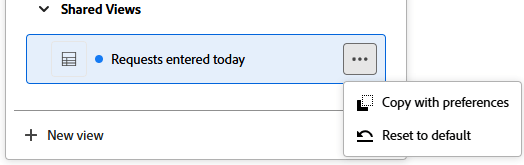
보기에서 조건부 서식 적용
조건부 서식은 일반적인 기준에 따라 보기에서 중요한 정보를 강조 표시하는 데 도움이 됩니다.
-
셀 서식 지정 아이콘

-
조건 추가를 클릭합니다.
-
If 줄에서 필드를 선택하고 필드 값을 선택한 다음 수정자를 추가합니다. 수정자는 선택한 필드 유형에 따라 변경됩니다.
note tip TIP 고급 목록에 표시되는 필드만 조건부 서식에 사용할 수 있습니다. -
(선택 사항) 필드 값을 추가하는 대신 다른 필드와 비교 아이콘

note tip TIP 목록 보기에 표시되는 필드만 조건부 서식에 사용할 수 있습니다. 비교하는 필드의 형식은 동일해야 합니다. -
(선택 사항) If 줄에서 조건 추가를 클릭하여 동일한 규칙에 조건을 더 추가합니다.
note tip TIP 조정 규칙에서 최대 10개의 조건을 추가할 수 있으며 필드에 대해 최대 20개의 규칙을 가질 수 있습니다. -
조건 사이에 있는 Or 커넥터를 클릭하여 And(으)로 변경하고 여러 조건을 동시에 충족해야 함을 나타냅니다. 또는이(가) 기본 커넥터입니다.
-
서식 줄에서 서식을 지정할 열을 나타내는 필드를 선택합니다.
-
(선택 사항) 선택한 필드 옆에 있는 색상 원 아이콘

-
텍스트 형식 아이콘

- 굵게
- 이탤릭체
-
조건을 충족하는 필드의 전체 행에 서식을 적용하려면 행에 적용 설정을 켭니다.
-
(선택 사항) 형식 상자에서 조건 추가를 클릭하여 다른 필드에 다른 규칙을 추가하고 위의 단계를 반복합니다.
-
(선택 사항) 모든 서식을 제거하려면 모두 지우기를 클릭합니다.
-
서식 상자 바깥쪽을 클릭하여 닫습니다.
이렇게 하면 목록 보기로 돌아갑니다.
서식은 목록 보기에 즉시 적용됩니다.
셀 서식 지정 아이콘 옆에 특수 서식이 적용되었음을 나타내는 파란색 점이 있습니다.
향상된 목록의 항목 필터링
필터는 목록에 표시되는 정보의 양을 줄이는 데 도움이 됩니다.
-
목록 위에 있는 필터를 클릭합니다.
-
필터 상자에서 조건 추가를 클릭합니다.
-
필터링 기준으로 사용할 필드를 선택합니다.
-
“다음 중 1개 이상의 항목 포함”, “다음 중 1개 없음”, "다음 이전"또는 "다음 이후"와 같은 필터 수정자를 선택합니다. 수정자 옵션은 필터링 기준으로 사용하는 필드 유형에 따라 다릅니다.
-
필드 값 또는 값을 선택합니다. 필터링 기준으로 사용하는 필드 유형에 따라 목록에서 항목을 선택하거나 검색하거나 달력을 사용하여 날짜 범위를 선택하라는 메시지가 표시될 수 있습니다.
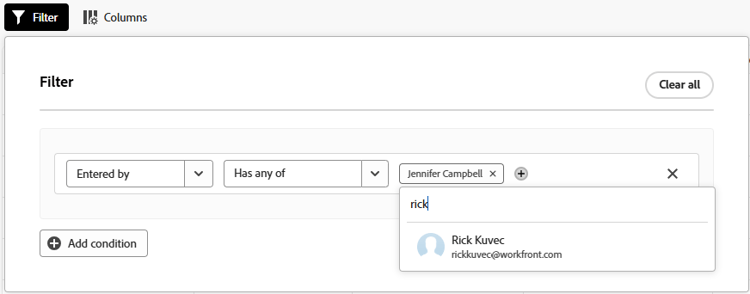
필터가 목록에 자동으로 적용됩니다.
note tip TIP 개인화된 필터를 적용하려면 필드 값에 대해 다음 옵션 중 하나를 선택합니다. -
내(로그인한 사용자)가 사용자를 참조하는 필드에 로그인한 사용자를 참조합니다.
-
내 팀 또는 내 홈 팀에서 팀을 참조하는 필드에 있는 팀을 참조합니다.
-
내 그룹 또는 내 홈 그룹에서 그룹을 참조하는 필드에 있는 그룹을 참조합니다.
-
내 회사에서 회사를 참조하는 필드에 회사를 참조합니다.
-
내 역할 또는 내 기본 역할을(를) 참조하여 필드에서 작업 역할을 참조합니다.
-
-
필터에 다른 조건을 추가하려면 조건 추가를 클릭하십시오.
AND 또는 OR 커넥터로 여러 필터를 연결할 수 있습니다.
-
필터가 적용되면 필터 옵션을 다시 열어 필터 옵션을 변경하거나 모든 필터를 지울 수 있습니다.
목록에 필터를 적용하면 필터 단추에 표시기가 나타납니다.

향상된 목록의 항목 그룹화
그룹화는 특정 기준에 따라 목록의 객체를 영역으로 구분합니다.
Workfront은 사전 정의된 그룹화를 제한적으로 제공하며 사용자는 이를 수정할 수 없습니다.
-
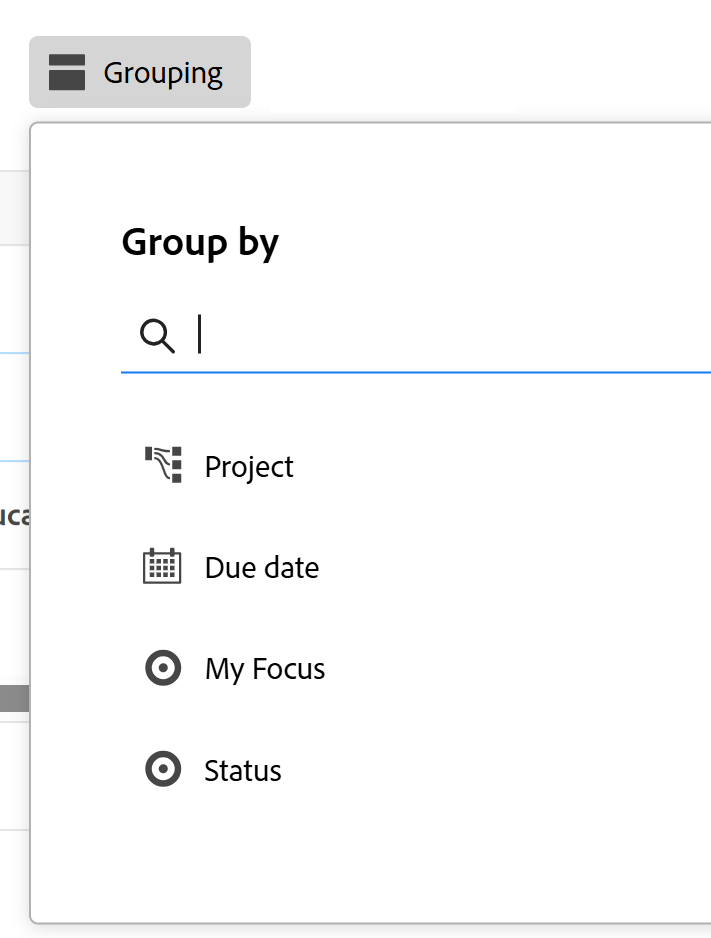
목록 위에 있는 그룹화을 클릭합니다.
-
목록을 구성할 그룹화를 선택하십시오.
-
모든 그룹화가 축소된 목록을 표시하려면 모두 축소를 클릭합니다. 기본 옵션은 모든 그룹화가 확장된 목록을 표시하는 것입니다.
-
그룹화가 적용되면 그룹화 옵션을 다시 열어 한 번에 모든 그룹화를 축소하거나 확장하고, 그룹화를 다른 필드로 그룹화하거나, 모든 그룹화를 지울 수 있습니다.
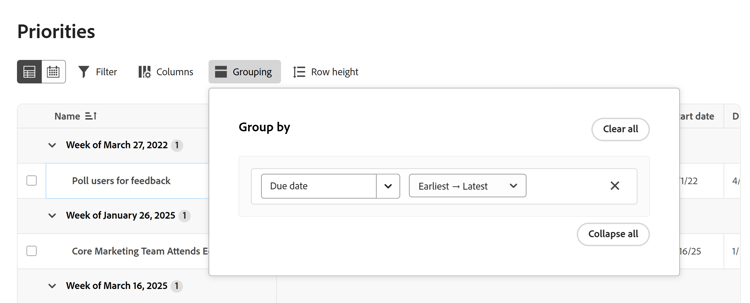
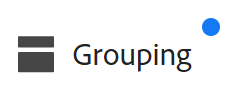
목록에 그룹화를 적용하면 그룹화 단추에 표시기가 나타납니다.
향상된 목록에서 정렬
개별 열을 정렬하려면 다음을 수행합니다.
-
열 위로 마우스를 가져간 다음 아래쪽 화살표를 클릭하고 정렬을 선택합니다.
열 이름 옆에 있는 아이콘은 해당 열의 값과 정렬 방향을 기준으로 목록이 정렬되었음을 나타냅니다.
note NOTE 일부 열은 목록에 따라 정렬 불가능할 수 있습니다. 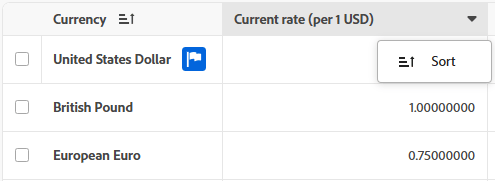
-
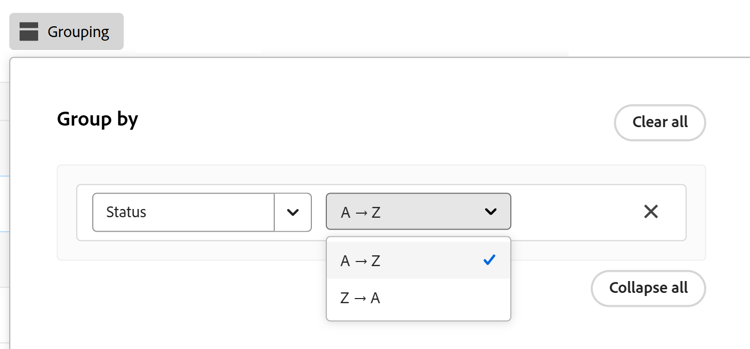
(선택 사항) 그룹화 내에서 작업을 정렬하려면 그룹화을 클릭하고 적용된 그룹화의 줄로 이동한 후 정렬 드롭다운을 클릭하고 오름차순 또는 내림차순을 선택합니다.
note tip TIP 정렬 순서는 정렬하는 필드 유형에 따라 다릅니다.
향상된 목록에서 검색
-
목록의 오른쪽 위 모서리에 있는 검색 상자에 검색할 키워드를 입력합니다. 입력할 때 목록에 결과가 강조 표시됩니다.
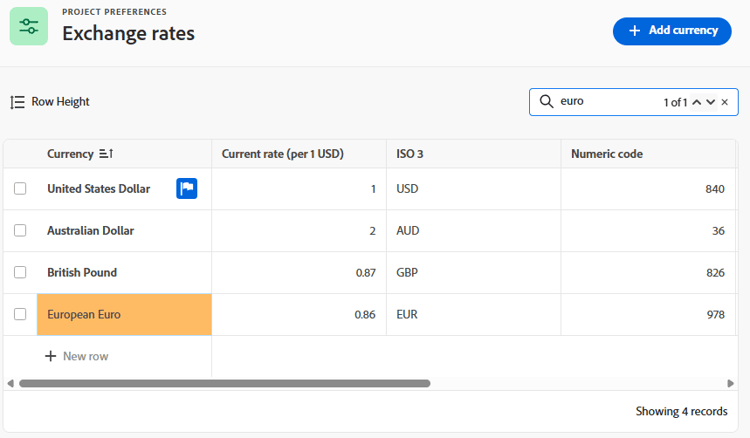
note NOTE 모든 목록 항목의 모든 열을 검색합니다. 목록이 길면 검색에는 스크롤하여 확인해야 하는 항목이 포함됩니다. 목록이 필터링되면 검색은 현재 표시된 것만 봅니다.