Personalization at scale becomes far more achievable when teams lean into consistent authoring habits, shared preview workflows, and modular building blocks that keep experiences both fast and flexible. By adopting these practices, marketers and authors can unlock smoother collaboration and deliver more targeted, reliable experiences.
Introduction
As personalization becomes central to digital experience design, many teams still struggle to connect the dots between AEM Sites and Adobe Target in a way that scales for authors and delivers measurable impact for marketers.
Having worked on AEM Cloud and Target integrations across multiple large-scale deployments, I’ve seen that success hinges not on complex frameworks but on a few consistent authoring habits that make personalization sustainable. Below are practical, real-world tips that help AEM authors and Target practitioners work faster and with more confidence.
1. Use Experience Fragments for Scalable Personalization
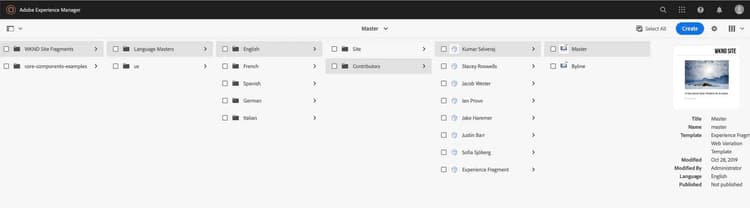
Instead of building every personalized offer from scratch, use AEM Experience Fragments (XFs) as modular units. They can be exported directly into Adobe Target as reusable offers letting marketers run A/B or multivariate tests without touching the page code.
Why it matters: XFs ensure visual consistency and accelerate campaign creation. One update can cascade across every Target activity that uses that fragment.
2. Mirror ContextHub Segments to Target Audiences
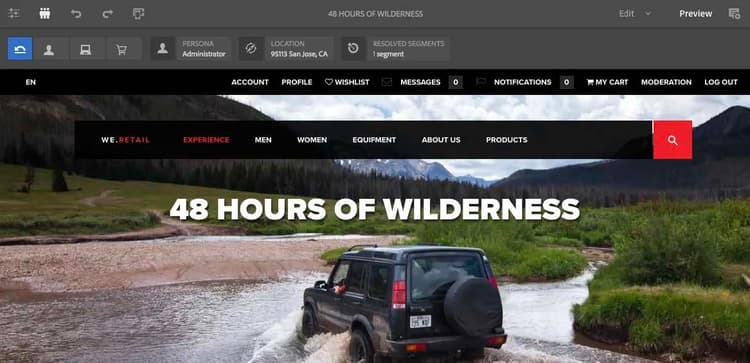
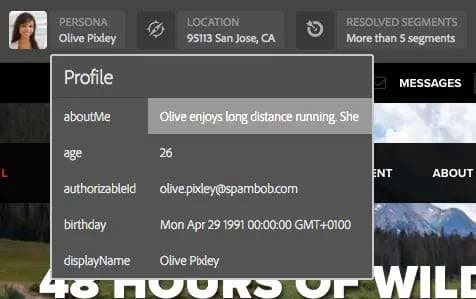
Previewing is believing. Mirror your Target audiences inside AEM’s ContextHub so authors can simulate experiences directly in Preview mode. This allows them to validate the right content variant for each persona before publishing.
Why it matters: It aligns marketing and authoring teams, reducing testing friction and misaligned experiences.
ContextHub Personalization Preview
3. Make Experience Fragments Target-Ready
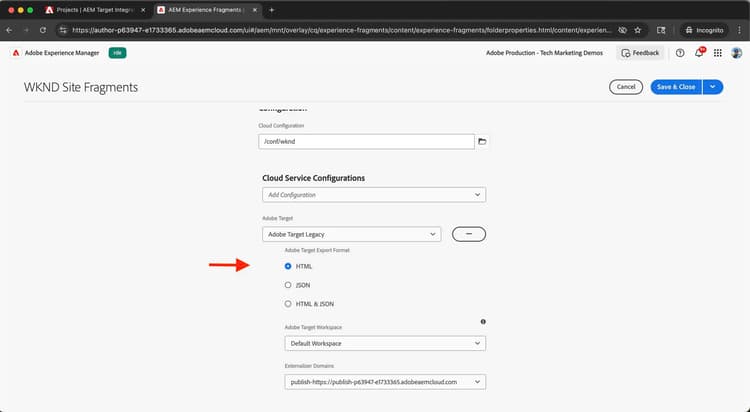
When creating Experience Fragments, include Target libraries after the target configuration is complete in AEM. Authors can then create and test A/B experiences safely, without developer intervention.
Why it matters: Fragments define governance while giving authors flexibility to experiment confidently.
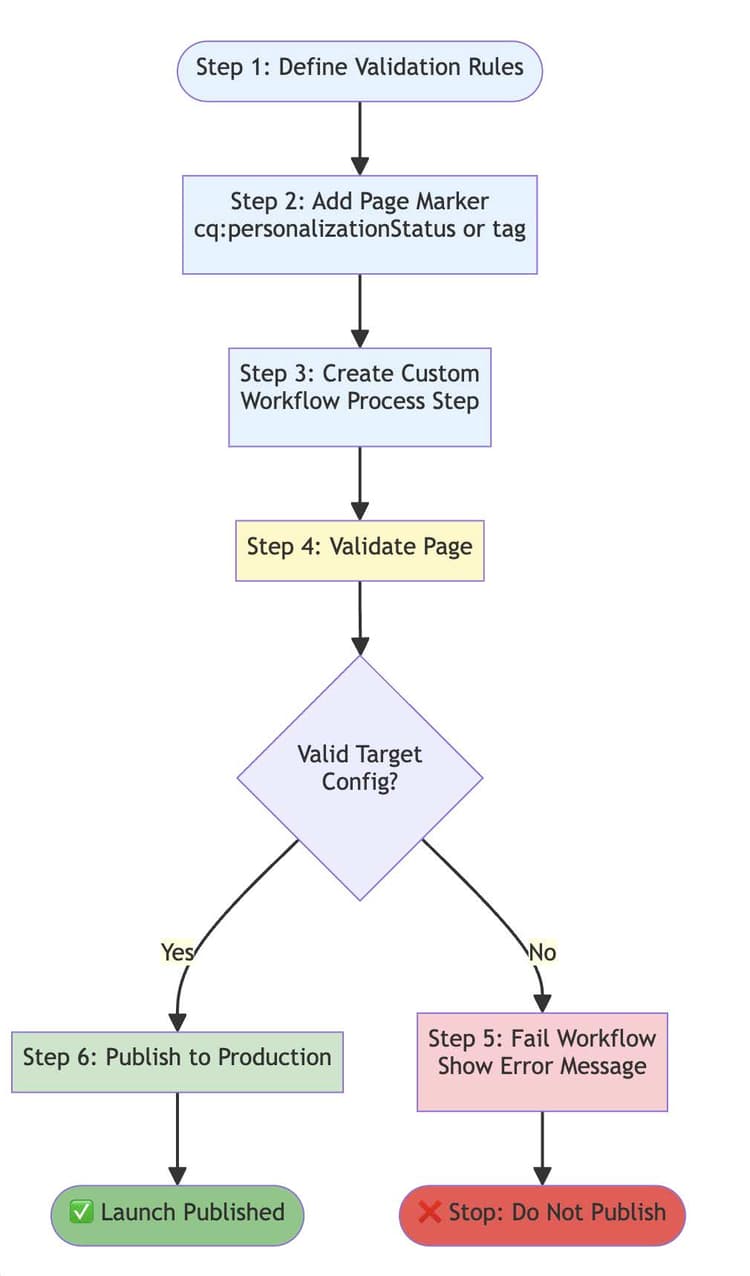
4. Build Target Validation into Launch Workflows
Add a Target validation step to your AEM Launch workflow. This addition ensures that only pages with approved Target configurations and valid activities reach production. It’s a small governance change that prevents significant post-launch surprises.
Why it matters: Treating personalization as part of the publishing lifecycle, not an afterthought, improves reliability and stakeholder trust.
5. Combine Dynamic Media + Target for Visual Personalization
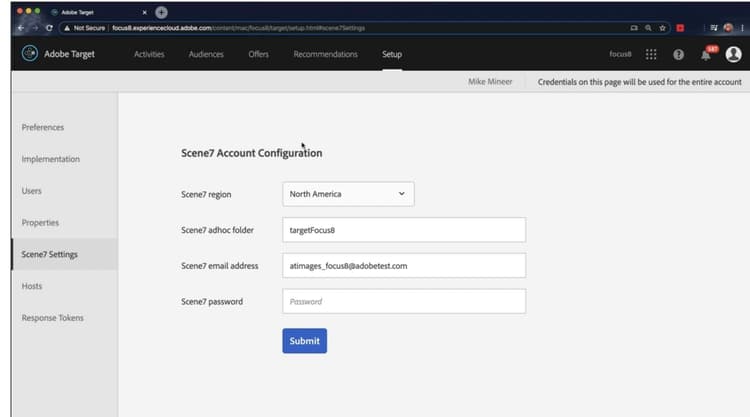
Pair AEM Dynamic Media with Target to deliver audience-specific visuals without duplicating assets. Use smart renditions or tags to deliver different hero images or banners to each segment.
Why it matters: Personalized visuals enhance engagement while maintaining performance through optimized renditions.
Adobe Target - Dynamic Media Integration
6. Author for Edge Delivery
Because AEM as a Cloud Service now supports Edge Delivery Services, content is delivered closer to the user, making preview accuracy and authoring efficiency crucial. Avoid using numerous inline scripts, store structured data in Content Fragments, and keep text and media apart.
Why it matters: Edge-ready authoring ensures personalization remains fast, consistent, and globally scalable.
Edge Delivery Services Overview
Final Takeaway
Integrating AEM and Adobe Target isn’t just about enabling APIs; it’s about empowering authors. When teams standardize around fragments, templates, and preview workflows, personalization becomes sustainable instead of experimental. Think of it as a partnership between precision and speed. AEM manages the structure, Target handles the audience, and together they create experiences that truly connect.