This guide outlines a strategic approach for B2B businesses to thrive during peak season using Adobe Commerce, focusing on smarter forecasting, agile inventory management, precise customer segmentation, and proactive communication. By leveraging tools like Adobe Commerce Intelligence and Inventory Management, businesses can enhance reliability and personalization, ultimately driving growth and customer trust.
Peak season isn’t just for B2C. For B2B businesses, it’s a high-stakes opportunity to shine - or stumble. Your customers’ peak seasons drive your own, and being ready means being reliable, agile, and proactive.
Here’s your step-by-step guide to peak season success using Adobe Commerce. We will walk through forecasting, inventory planning, customer segmentation, and outreach – with actionable tips and tools to help you deliver value at scale.
Step 1: Forecast smarter, not harder
Goal: Predict demand with confidence and precision.
Why it matters: Underestimating leads to stockouts. Overestimating ties up capital. Smart forecasting balances both.
Quick Tips:
- Look back to look ahead: Analyze past sales, customer behavior, and market trends.
- Factor in external signals: Economic indicators, client promo calendars, and industry forecasts.
- Collaborate with customers: Ask about their goals and expected volume.
- Use rolling forecasts: Update your models regularly as new data comes in.
Tools to Use:
- Adobe Commerce Intelligence (ACI) for advanced analytics. If you want to learn more about Adobe Commerce Intelligence, please refer to this article.
Step 2: Optimize inventory for agility
Goal: Ensure product availability without overstocking.
Why it matters: Inventory is your frontline defense against missed sales and fulfillment delays.
Quick tips:
- Segment your SKUs: Prioritize high-value, high-volume items.
- Assess supplier lead times: Identify risks and plan early shipments.
- Set safety stock levels: Account for demand spikes and service targets.
- Audit warehouse capacity: Confirm space and staffing for peak volume.
Tools to use:
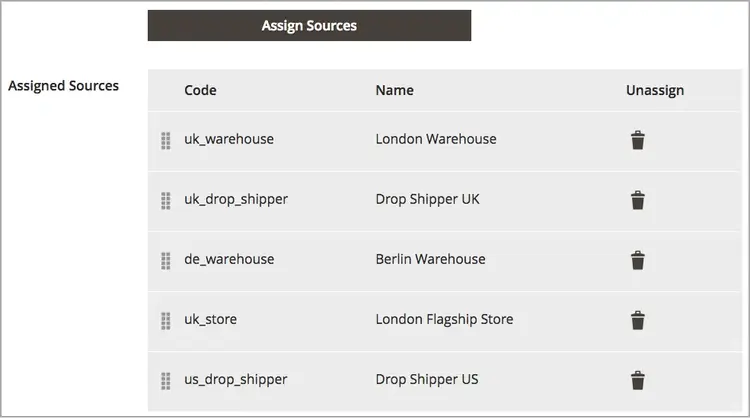
- Inventory Management (formerly MSI): Manage stock across multiple locations. If you wish to learn more about Inventory Management, please go to this article. If you need further information on how to configure you Inventory Management, please refer to this article.
- Source Priority or Distance Priority algorithms: Optimize fulfillment speed and cost. If you need additional information on how to configure the source priority algorithm, please visit this article.
Step 3: Segment customers for precision
Goal: Deliver personalized experiences at scale.
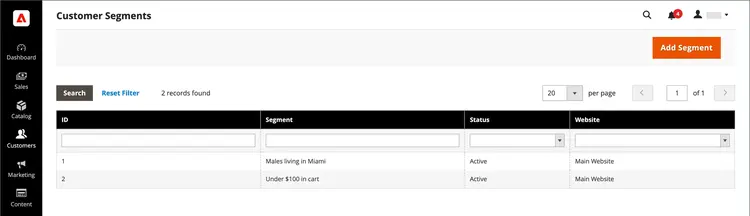
Why it matters: Not all customers peak at the same time. Segmentation helps you target the right message to the right audience.
Quick Tips:
- Define segments: Use size, industry, seasonality, and buying behavior.
- Prioritize top-tier accounts: Offer white-glove support and early access.
- Create scalable playbooks: Use Dynamic Blocks and Widgets for personalized content.
- Build custom offers: Use cart price rules to incentivize bulk or early orders. If you wish more information on how to create a cart price rule please refer to this tutorial.
Step 4: Communicate early, often, and effectively
Goal: Build trust and reduce surprises.
Why it matters: Clear communication sets expectations and strengthens relationships.
Quick Tips:
- Send early reminders: Share deadlines, availability, and lead times.
- Schedule check-ins: Help key accounts plan and feel supported.
- Automate outreach: Use drip campaigns with personalized touches.
- Educate your customers: Share guides, checklists, and webinars.
Final thoughts: Your peak season playbook starts now
Peak season is your moment to lead. With the right strategy, tools, and mindset, you can be the partner your customers rely on – and grow your business in the process.
Start today. Forecast smart. Stock wisely. Segment strategically. Communicate clearly.
Your customers are counting on you, and Adobe Commerce is here to help!