In today’s attention economy, every second counts. AEM as a Cloud Service allows marketers to serve content instantly through Edge Delivery Services, which bring experiences closer to the customer. To gain that edge, content needs to be created in a way that is structured differently, reusable, and light enough to be effective.
Here’s how small authoring habits translate into faster pages, happier audiences, and easier personalization.
1. Why Edge Delivery matters to marketers
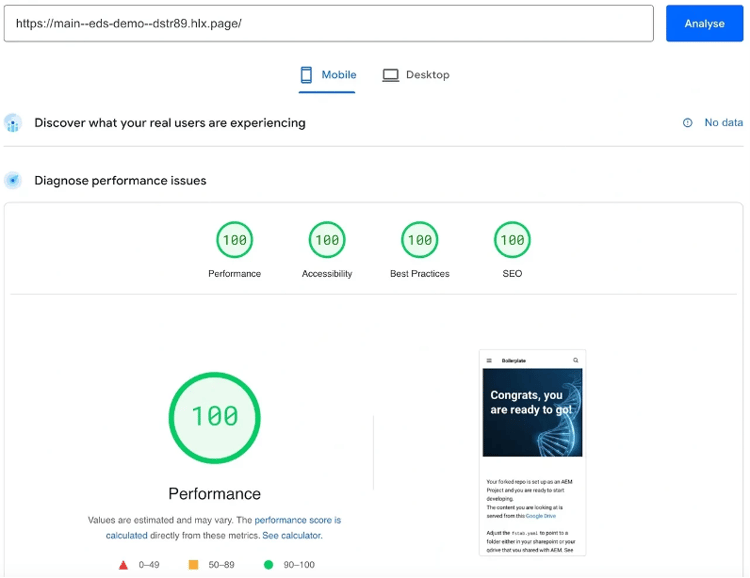
Edge Delivery Services are like a global fast lane for your brand. When implemented with AEM best practices, Adobe has shown sites can achieve perfect Lighthouse scores and visibly faster experiences.
What that means for marketing teams:
-
Pages load faster worldwide: resulting in lower bounce rates and higher engagement
-
Content updates go live in seconds: which leads to a quicker campaign turnaround
-
Personalized experiences run smoothly: enhancing visitor satisfaction
Looking for a place to start? Check out this Edge Delivery Services Overview to review the basics.
2. Structure content for reuse
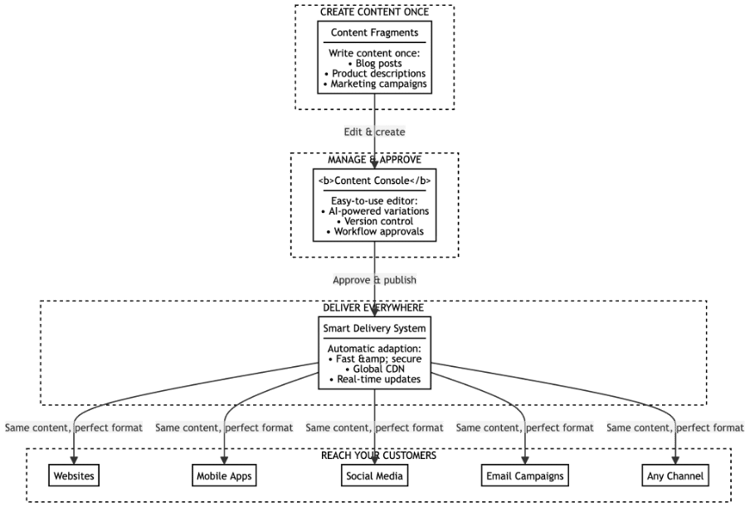
Reusable building blocks give marketers an advantage in AEM. Content Fragments and Experience Fragments allow one piece of approved content to create many experiences.
Benefits of implementing building blocks:
-
Less duplication: one content source powers multiple pages or campaigns.
-
Brand consistency: tone, imagery, and compliance remain steady.
-
Speed: launch new variants or locations in minutes, not days.
3. Keep text, media, and logic in their own lanes
Reusable building blocks give marketers an advantage in AEM. Content Fragments and Experience Fragments allow one piece of approved content to create many experiences.
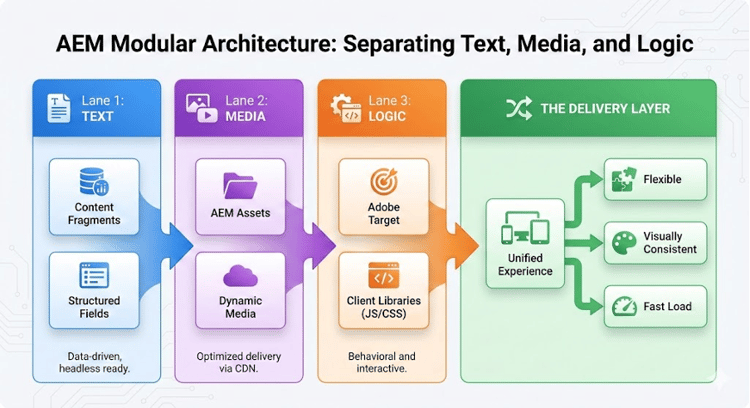
Think modular:
-
Text: exists in fragments or structured fields
-
Images and videos: flow through AEM Assets or Dynamic Media
-
Behavioral logic: found in Adobe Target or AEM client libraries
This strategy keeps content flexible, visually consistent, and quicker to load across every device.
4. Simplify, don’t over-customize
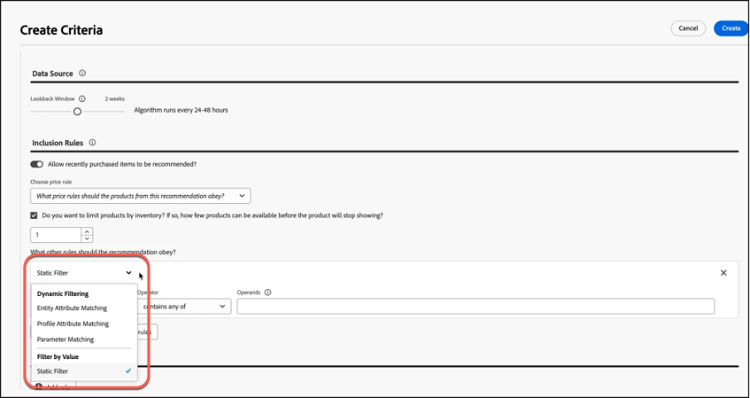
Heavy inline scripts and excessive custom code can slow pages by several seconds. Let Adobe Target manage personalization rules and keep your templates clean.
The result: Faster page loads, stable testing, and more reliable analytics.
5. Use Editable Templates for control and scale
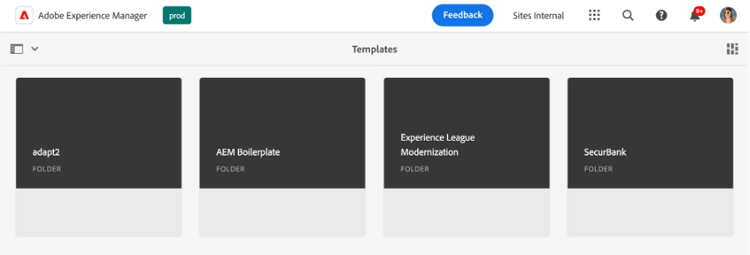
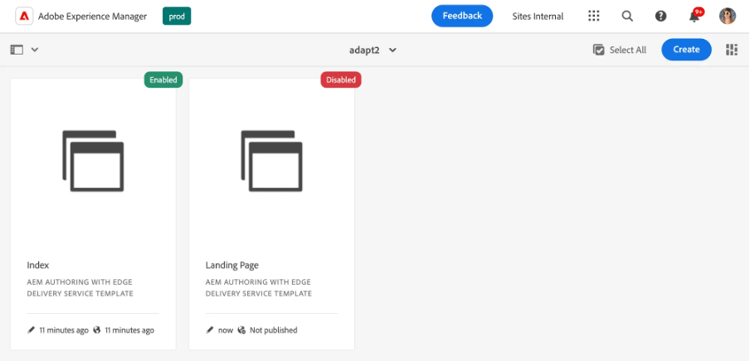
Editable Templates give marketers the freedom to be creative while following guidelines. They include brand elements and areas for personalization, allowing you to launch new campaigns confidently without compromising design standards.
Try this today: pick a high-traffic page and check if it’s built with Editable Templates referencing shared fragments. If not, rebuild once—and reuse forever.
6. Measure what marketers care about
You don’t need to know “cache-hit ratios.” Track the results that reflect audience experience and team efficiency.
What to measure
Why it matters
Healthy target / source
Contentful Paint ≤ 2.5 s at p75).
Conclusion
Authoring for edge delivery is not just a developer goal, it is a marketing performance strategy. By organizing content once and reusing it everywhere, marketers achieve faster load times and better SEO rankings.
Not only that, but they also ensure consistent brand storytelling across channels. This optimization leads to shorter campaign cycles and greater personalization reach.
When content travels light, marketing moves quickly, and customers stay longer.