What is nurturing?
Nurturing is the process of building effective relationships with your audience throughout the customer journey. You should nurture everyone in your database, from prospects to customers to partners.
True nurturing strategy has seven main components:
- Engaging customers as individuals
- Based on what they do
- Continuously over time
- Wherever they are
- Directed toward a long-term goal
- With measurable impact
- At the speed of digital
The difference between drip marketing and nurturing
Both drip marketing and nurturing send communications at a specific cadence, but the main difference between drip marketing and nurturing is personalization.


Align your content with your marketing funnel
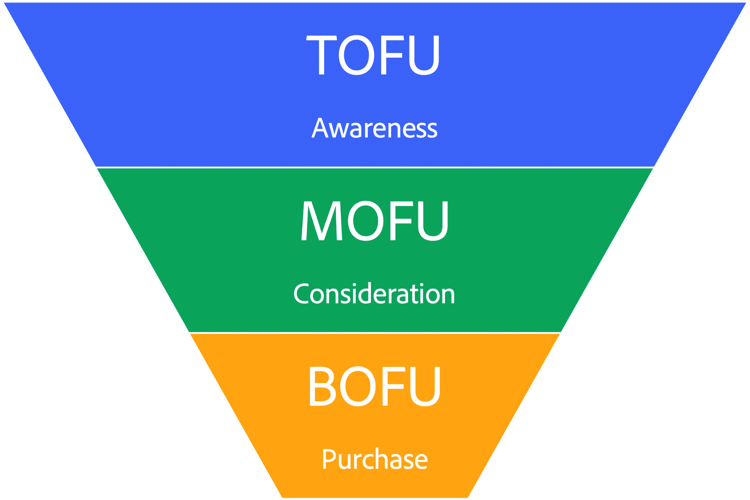
You want to nurture people based on where they are in their buyer journey. Content that is relevant to a person who has just learned about your company is probably not relevant to a person who is in the final stages of their decision-making process.
Below is an example of a new prospect marketing funnel with strategies for each stage.
Click each spot to learn more about the types of content recommended for each stage.
Next, learn how the Marketo Engage engagement program helps you execute a nurturing strategy.